
Hiring a pressure washing company can make your home look fresh and clean, but choosing the right contractor takes more than comparing prices.
What Is a COI?
A certificate of insurance helps you check whether a company carries business insurance before workers start cleaning your property.
It is often called a COI, a document that summarizes a company’s insurance coverage. It usually shows the insurance provider, policy numbers, coverage limits, and the dates the policies begin and end.
Think of it as a quick way to check a contractor’s insurance details. It is not the insurance policy itself, and it does not guarantee that every accident or type of damage will be covered.
For homeowners, this document can be useful when hiring a pressure washing company. Workers may use powerful equipment, cleaning solutions, hoses, and ladders around your home. Checking their insurance before the job starts gives you a better idea of how the business prepares for possible problems.
Why Does It Matters?
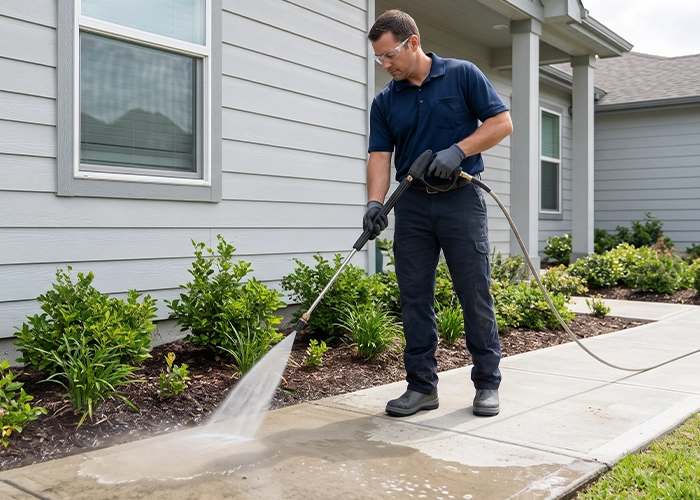 Pressure washing can remove years of dirt from driveways, siding, patios, fences, and other outdoor surfaces. However, the work also comes with risks when equipment is used near windows, vehicles, landscaping, or people.
A trained crew knows how to choose the right pressure and cleaning method for each surface. Even so, accidents can happen. A hose may damage a garden bed, a worker may slip on wet concrete, or a strong spray may crack a window.
This is where insurance becomes important. A certificate of insurance helps you verify the contractor’s stated coverage before allowing work to begin.
It also shows that you have taken a reasonable step toward checking the business you plan to hire. You cannot prevent every accident, but you can ask the right questions before the cleaning starts.
What Information Does a COI Include?
A certificate of insurance contains several details that help you review a company’s coverage. You do not need to be an insurance expert to understand the basics.
Here are the main items to look for:
- Business name: Check that the insured name matches the pressure washing company you plan to hire.
- Insurance provider: This identifies the company that issued the policy.
- Policy number: This helps the insurance agent identify the specific policy.
- Type of coverage: Look for the policies listed, such as general liability or workers’ compensation.
- Coverage limits: These show the maximum amounts available under certain parts of the policy, subject to its terms.
- Effective and expiration dates: Make sure the policy dates cover the planned service period.
- Certificate holder: This identifies the person or business receiving the certificate. Being listed here does not automatically make you an insured party.
Review these details before confirming your appointment. If a business name is incorrect, the policy has expired, or the information is unclear, ask the contractor or insurance agent to clarify it.
What Types of Insurance Should a Pressure Washing Company Have?

Not every insurance policy protects against the same risks. The right coverage depends on the services offered, the business’s operations, and applicable state requirements.
When reviewing a pressure washing contractor, these types of insurance are worth asking about.
General Liability Insurance
General liability insurance can help cover certain third-party bodily injury and property damage claims arising from business operations, subject to the policy terms.
For example, imagine a crew accidentally damages your outdoor light while cleaning the siding. Depending on the circumstances and the policy, general liability insurance may help cover the resulting claim.
However, coverage is not automatic. Exclusions, deductibles, limits, and other policy conditions can affect whether an insurer pays a claim.
Ask the contractor whether its policy covers the pressure washing services you need. A policy that excludes certain operations may not provide the protection you expect.
Workers’ Compensation Insurance
Workers’ compensation insurance generally helps cover eligible employee medical costs and lost wages after work-related injuries, subject to state law and policy terms.
Pressure washing crews work with wet surfaces, heavy equipment, and slippery hoses. These conditions can increase the chance of an injury.
Without the right coverage, an accident may create complications for both the worker and the business. Requirements vary by state, so ask whether the contractor carries workers’ compensation when applicable.
Do not assume every company must have the same policy. Rules may differ based on the number of employees, business structure, and local law.
Commercial Auto Insurance
Pressure washing companies often drive trucks or vans loaded with machines, hoses, tanks, and cleaning products. Commercial auto insurance may cover certain accidents involving vehicles used for business.
This coverage matters when a contractor travels to your home or transports equipment between jobs. Personal auto insurance does not always cover vehicles used for business purposes.
If the crew arrives in company vehicles, you can ask whether the business has suitable commercial auto coverage.
Other Coverage to Consider
Some companies may also carry equipment insurance or a commercial umbrella policy. Equipment coverage can protect eligible business tools against certain losses, while umbrella insurance may provide additional liability limits above underlying policies.
These policies are not interchangeable, and neither guarantees that a particular loss will be covered. The company’s services and risks will help determine which policies make sense.
How to Check a Pressure Washing Company’s COI
Requesting a certificate of insurance is a good first step, but take a moment to review it before approving the work.
Use these simple checks:
- Match the business name. Make sure the insured name corresponds to the contractor you contacted.
- Check the policy dates. Confirm that the coverage is current for the scheduled cleaning.
- Review the coverage types. Look for general liability and ask about other coverage relevant to the work.
- Check the limits. Compare the stated limits with any requirements you have for the project.
- Ask about exclusions. Find out whether the policy covers the specific pressure washing services being performed.
- Verify unclear details. Contact the insurance agent listed on the certificate if you need confirmation.
A certificate provides a snapshot of coverage, not a full explanation of the policy. If the job involves a large commercial property, a homeowners association, or a complex project, you may need additional documentation or advice from an insurance professional.
Does a COI Guarantee That You Are Protected?

No. This is one of the most important things to understand before hiring a contractor.
A certificate of insurance provides information about insurance coverage. It does not create coverage, change policy terms, or guarantee that a claim will be approved.
For example, a certificate may show that a contractor has general liability insurance. However, the policy may contain an exclusion that affects a specific type of property damage.
The certificate also may not tell you whether an aggregate limit has been reduced by earlier claims. In addition, receiving a certificate does not automatically make you an additional insured under the contractor’s policy.
If your contract requires additional insured status, ask the contractor and insurance agent about the proper policy endorsement. The certificate alone may not be enough to establish that status.
When you need greater assurance, ask the agent to confirm the relevant coverage and documentation. This is especially useful for commercial properties or jobs with specific insurance requirements.
When Should You Ask for a COI?
It is best to ask before the pressure washing crew arrives. This gives you time to review the document and clear up any questions without delaying the appointment.
A certificate can be particularly useful when hiring a contractor to clean:
- House siding, exterior walls, and other building surfaces.
- Driveways, sidewalks, patios, and pool decks.
- Roofs and other areas that require specialized cleaning methods.
- Commercial buildings, parking areas, and shared outdoor spaces.
- Properties managed by a homeowners association or property management company.
Some property managers, commercial clients, and associations require contractors to provide a certificate before work begins. They may also set minimum coverage limits or request specific endorsements.
If you manage a property, check the contract and insurance requirements before scheduling service. If you are a homeowner, you can still ask for a certificate as part of your hiring process.
What Should You Ask a Pressure Washing Contractor Before Hiring?
 Insurance is only one part of choosing a reliable service provider. You should also understand how the company plans to clean your property and what happens if something goes wrong.
Ask a few direct questions before booking:
- Can you provide a current certificate of insurance?
- Does your general liability policy cover the pressure washing work you will perform?
- Do you carry workers’ compensation insurance when required?
- What steps do you take to protect plants, windows, doors, and nearby property?
- What cleaning method will you use for my siding, concrete, or other surfaces?
- Who should I contact if I have a concern after the job?
Pay attention to how the company responds. A professional contractor should be willing to explain its process and direct you to the right person for insurance questions.
Also, look for clear pricing, written service details, and a willingness to discuss your concerns. A certificate of insurance is useful, but good communication and sound cleaning practices matter, too.
How Insurance and Proper Cleaning Techniques Work Together
Insurance can help address certain covered claims, but it does not replace careful work. A contractor should know when to use high pressure and when a gentler cleaning method is more suitable.
For example, concrete can often handle more pressure than delicate siding or wood. Roofs and some painted surfaces may need a soft washing approach that uses lower pressure and suitable cleaning solutions.
Before work begins, the crew should inspect the area and identify delicate surfaces, electrical fixtures, loose materials, and nearby plants. They should also take steps to control runoff and keep people away from wet work areas.
These details can make a real difference in the final result. A good pressure washing company aims to remove dirt and buildup without causing avoidable damage.
When you combine careful contractor selection with a review of the company’s insurance, you can make a more informed decision about who works on your property.
Give Your Home’s Exterior the Care It Deserves
 A certificate of insurance is a simple document, but it can help you make a more informed choice when hiring a pressure washing company.
Check the business details, confirm that the coverage is current, and ask questions whenever something is unclear.
Before you book your next exterior cleaning, choose a company that values safe work, clear communication, and responsible service.
Ready to refresh your home’s exterior? Contact WASHH today to discuss your pressure washing needs, request a quote, and learn how we help keep your property looking its best.
Related Articles: