
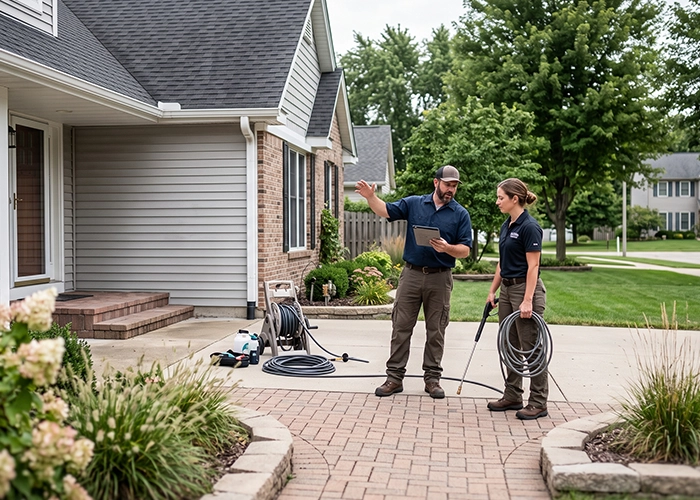
Keeping a property clean involves more than simply spraying water at every surface. Understanding low-pressure vs high-pressure cleaning helps homeowners protect their investment while getting the best results. Choosing the right approach can improve curb appeal, prevent damage, and extend the life of exterior surfaces.
Understanding the Difference
When people think about pressure washing, they often picture a powerful stream of water blasting away dirt and grime. While that method works well in certain situations, not every surface can handle intense pressure.
Low-pressure cleaning uses reduced water pressure combined with specialized cleaning solutions to remove mold, algae, dirt, and organic buildup. The cleaning agents do much of the work while the gentle rinse removes contaminants safely.
High-pressure cleaning relies primarily on water force. The strong stream lifts away tough stains, embedded dirt, mud, and surface debris from hard materials that can withstand greater pressure.
Both methods are effective. The key is knowing which surfaces benefit from each technique.
Why Pressure Matters During Exterior Cleaning
 Water pressure is measured in pounds per square inch, commonly known as PSI. A higher PSI creates more force against a surface, while lower PSI delivers a gentler cleaning action.
Using excessive pressure can strip paint, damage siding, crack mortar joints, or scar wooden surfaces. On the other hand, pressure that is too low may leave behind stubborn stains and heavy buildup.
Professional technicians evaluate several factors before choosing a cleaning method. Surface material, age, condition, and the type of contamination all influence the decision.
The goal is not simply to clean faster. The goal is to clean effectively without causing damage.
When Low-Pressure Cleaning Is the Better Choice
Low-pressure cleaning is often recommended for delicate materials that can be harmed by excessive force. This method removes organic growth and dirt without placing unnecessary stress on the surface.
Many homeowners are surprised to learn that some of the dirtiest areas around a property actually require the gentlest cleaning approach.
1. Roof Cleaning
Roof shingles can easily be damaged by high-pressure water. Asphalt shingles may lose protective granules, while older roofing materials can become weakened.
Low-pressure cleaning allows cleaning solutions to break down algae, moss, and black streaks before the roof is rinsed carefully. This process helps preserve the roof while restoring its appearance.
2. Vinyl Siding
Vinyl siding can trap moisture behind panels when high pressure forces water underneath the material. That moisture can contribute to mold growth and structural issues.
Low-pressure cleaning safely removes dirt, mildew, and algae while protecting the siding and reducing the risk of water intrusion.
3. Painted Surfaces
Exterior paint can chip, peel, or fade when exposed to excessive pressure. Low-pressure methods help maintain painted finishes while still delivering a thorough cleaning.
This is especially important for older homes where paint adhesion may already be weakened.
4. Stucco and Soft Masonry
Stucco contains small openings that can crack under intense water pressure. Gentle cleaning helps prevent damage while removing surface contaminants.
Soft brick and aging mortar also benefit from a lower-pressure approach.
5. Outdoor Furniture and Screens
Patio furniture, window screens, and decorative features often require careful handling. Low-pressure cleaning removes dirt and pollen without bending, cracking, or damaging delicate materials.
When High-Pressure Cleaning Makes Sense
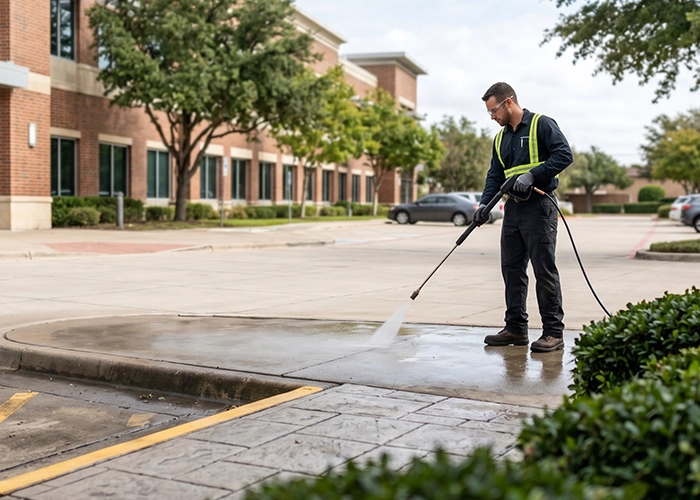 Certain surfaces are built to handle stronger water pressure. High-pressure cleaning can save time and produce excellent results when used appropriately.
Hard materials generally respond well to greater cleaning force.
1. Concrete Driveways
Concrete driveways collect oil stains, tire marks, mud, and ground-in dirt. High-pressure cleaning effectively removes these contaminants and restores the appearance of the surface.
Because concrete is highly durable, it can typically withstand stronger cleaning pressure.
2. Sidewalks and Walkways
Public walkways and residential sidewalks experience heavy foot traffic. Dirt, algae, and grime can create slippery conditions.
High-pressure cleaning removes buildup efficiently while improving appearance and safety.
3. Brick Pavers
Many paver surfaces benefit from stronger cleaning, especially when weeds, dirt, and stains have accumulated in the joints.
However, older pavers or deteriorating joint sand may require a more controlled approach.
4. Retaining Walls
Concrete block retaining walls often collect mildew, dirt, and environmental staining. High-pressure cleaning helps restore their original appearance.
These surfaces are generally durable enough to tolerate greater cleaning force.
5. Industrial and Commercial Surfaces
Loading docks, parking areas, warehouses, and heavily used commercial spaces frequently require high-pressure cleaning to remove grease, mud, and stubborn contaminants.
These environments often demand deeper cleaning that only stronger pressure can provide.
The Risks of Using the Wrong Cleaning Method
Choosing the wrong pressure level can create expensive problems. Surface damage is often permanent and may require repairs or replacement.
High pressure used on soft surfaces may result in:
- Cracked siding
- Chipped paint
- Damaged roof shingles
- Water intrusion
- Splintered wood
- Broken window seals
Low pressure used on extremely dirty hard surfaces may leave behind stains and require repeated cleaning.
The right equipment alone is not enough. Proper technique and experience play a major role in achieving safe results.
Soft Washing and Low-Pressure Cleaning
 Many people hear the term “soft washing” and assume it is completely different from pressure washing. In reality, soft washing is a specialized form of low-pressure cleaning.
The process combines cleaning solutions with gentle water pressure to kill mold, mildew, algae, and bacteria at the source.
Unlike high-pressure methods that simply remove surface growth, soft washing helps eliminate the organisms that cause staining. As a result, surfaces often stay cleaner for longer periods.
This method has become increasingly popular for residential properties because it provides excellent results while minimizing risk.
Factors Professionals Consider Before Cleaning
Professional cleaning companies rarely approach every project the same way. Several factors help determine which method is appropriate.
These include:
- Surface material
- Age of the surface
- Existing damage
- Type of staining
- Environmental conditions
- Nearby landscaping
- Water drainage concerns
For example, a new concrete driveway may handle aggressive cleaning without issue. An older roof with aging shingles requires a completely different approach.
Every property presents unique conditions that influence the cleaning strategy.
Residential Areas That Often Need Both Methods
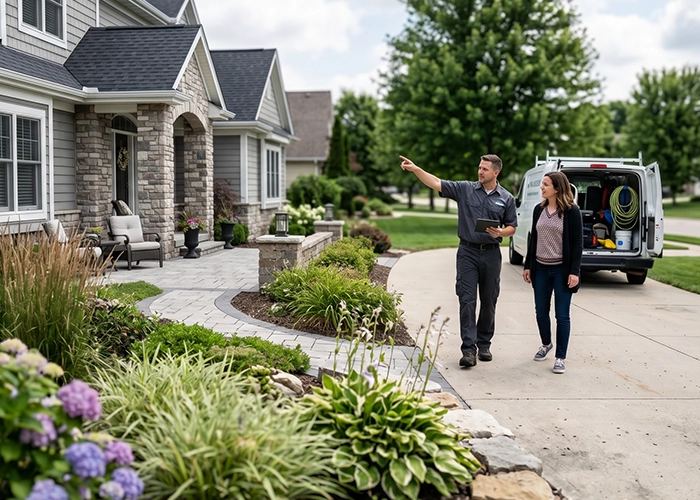 Many homes actually require a combination of low-pressure and high-pressure cleaning.
A technician may use low-pressure cleaning on the roof and siding while applying high-pressure cleaning to the driveway and sidewalks. This balanced approach delivers complete exterior cleaning while protecting sensitive materials.
Common combinations include:
- Roof and siding with low pressure
- Concrete and patios with high pressure
- Fencing with controlled pressure
- Decks with moderate pressure
- Gutters with gentle cleaning methods
Using multiple techniques allows each surface to receive the level of cleaning it needs.
Signs It Is Time to Schedule Exterior Cleaning
Many homeowners wait until stains become severe before scheduling cleaning services. Early cleaning often produces better results and prevents long-term damage.
Watch for these warning signs:
- Green or black streaks on roofing
- Mold on siding
- Slippery walkways
- Dirt buildup on driveways
- Pollen accumulation
- Discoloration around gutters
- Algae growth near shaded areas
Regular cleaning not only improves appearance but can also extend the lifespan of exterior materials.
How to Find the Right Pressure Washing Experts
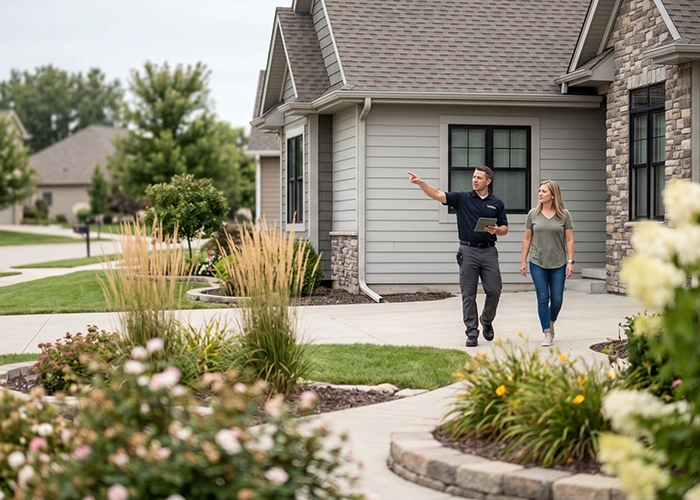 Experience matters when selecting an exterior cleaning company. The best providers understand that different surfaces require different solutions.
Ask whether the company offers both low-pressure and high-pressure cleaning methods. A contractor that uses only one technique for every job may not provide the safest results.
Look for professionals who perform property evaluations, explain their recommendations, and tailor the cleaning process to your home’s specific needs.
Proper equipment, training, and experience all contribute to better outcomes.
How the Right Cleaning Method Protects Your Property
The difference between low-pressure and high-pressure cleaning comes down to matching the method to the surface. Gentle cleaning protects delicate materials, while stronger pressure removes stubborn dirt from durable areas.
By choosing the right approach, homeowners can maintain their property’s appearance, prevent unnecessary damage, and keep exterior surfaces looking their best for years to come.
Consistent Care for a Cleaner, Better-Looking Property
Not all surfaces require the same cleaning approach. Washh Pressure Washing services assess each material carefully to determine the safest and most effective method for achieving optimal results.
Call us at 704-321-8000 or contact us online today to schedule an evaluation and discover which approach is right for your property.
Related Articles: