


Pressure washing in winter looks simple at first glance, but cold air changes how water, soap, and surfaces behave. Without a plan, the same job that keeps a home looking sharp can leave behind ice patches, damage, or broken equipment. A little extra care keeps outdoor cleaning useful instead of stressful.
Why Pressure Washing in Winter Needs a Plan
Pressure washing in winter adds more moving parts than a typical spring clean. Water, air temperature, and surface temperature all matter, and each one can shift during a single job. When those pieces are treated as a system, cleaning stays effective and safe.
Cold air slows drying time. Puddles that would disappear in an hour in July can sit for most of the day in January. That slow drying gives water more time to freeze in tiny cracks, joints, and gaps.
Planning also protects the people doing the work. A wet driveway under a weak winter sun can turn slick in minutes. Thinking ahead about where runoff goes, how it drains, and who walks through the area avoids many winter slips.
How Cold is Too Cold for Safe Washing
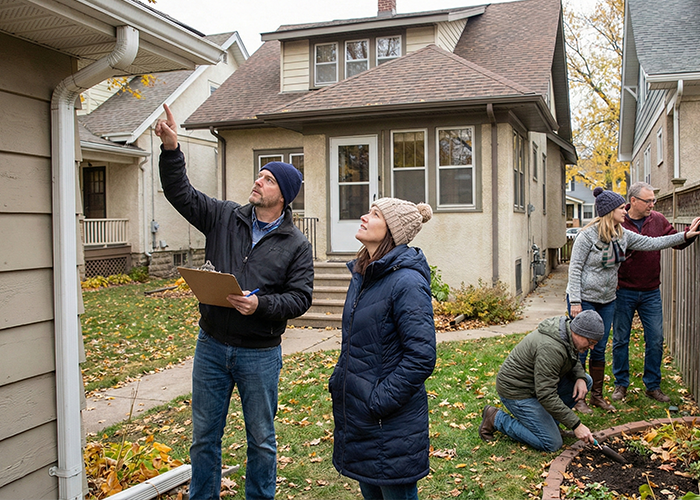 Temperature plays a bigger role than many homeowners expect. Once air or surface temperatures drop near freezing, water can stay on the surface long enough to freeze rather than drain or evaporate.
Most pros try to schedule winter pressure washing when daytime highs reach at least the mid 40s, especially for shaded areas or concrete. That small buffer above freezing gives sidewalks, decks, and siding time to dry. If a cold front is on the way, it may be safer to reschedule.
Surface temperature matters as much as the reading on the weather app. Concrete shaded by trees or buildings can stay several degrees colder than the air. A quick touch test or infrared thermometer helps a crew decide whether to go ahead.
Risks to Concrete, Wood, and Other Surfaces
Every surface reacts differently to cold water under pressure. Concrete usually handles higher pressure, but trapped water that freezes inside small pores can lead to spalling or hairline cracks over time.
Wood decks face a different problem. Winter pressure washing that uses too much pressure or a very tight tip can raise the grain or strip protective coatings. When that wood then sees more snow and ice, it has less protection against moisture.
Brick, stone, and pavers can hold onto water in joints and gaps. If the wash happens just before a hard freeze, that water can expand and push out sand or joint material. Choosing the right settings and timing helps avoid these quiet problems that show up months later.
Protecting Your Pressure Washing Equipment
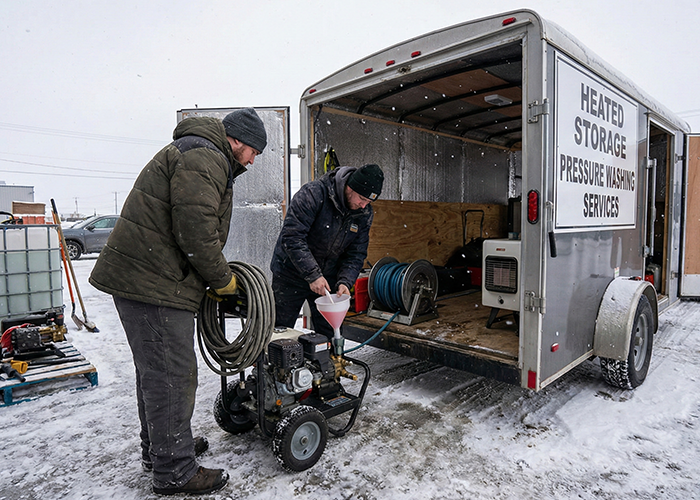 Cold-weather pressure washing affects the equipment, too, not just the property. Water that sits inside pumps, hoses, or guns can freeze, expand, and crack parts that are costly to replace.
Good winter routines keep that risk low. Crews often use heated spaces or insulated trailers so machines never sit in freezing air for long. Between jobs, draining lines, using pump antifreeze, or running a brief “dry out” cycle helps move leftover water out of the system.
Hoses, seals, and fittings deserve extra attention in winter. Rubber can get stiff and more prone to cracking. A quick check for weak spots before starting the job avoids midday failures in the cold.
Keeping Walkways and Driveways Safe for Foot Traffic
Safety underfoot is one of the biggest concerns with pressure washing in winter. Water that runs across a walkway, front step, or driveway can freeze into thin, hard-to-see ice.
Planning the work route reduces those hazards. Pros often start at the farthest point and work back toward the street, so they do not walk through freshly cleaned, wet areas. Whenever possible, water is directed toward drains, turf, or gravel rather than onto traffic paths.
Extra steps help during very cold spells. Some companies bring sand or pet-safe deicer to treat any slick spots that appear. Clear cones or simple “wet surface” signs give family members and visitors a heads up until the area dries completely.
Choosing the Right Day and Time for Winter Pressure Washing
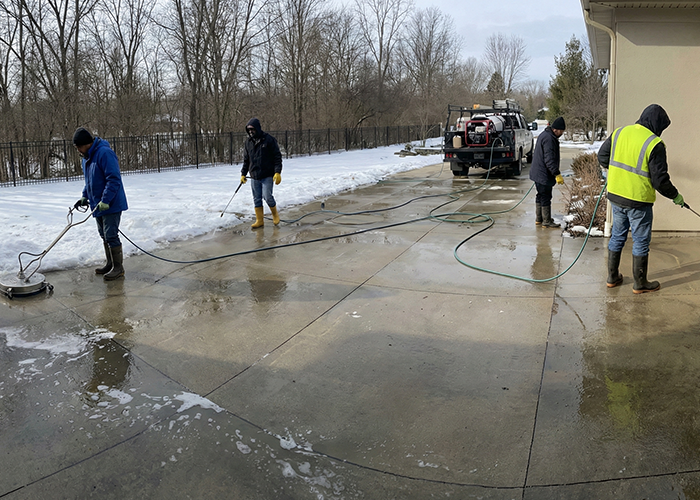 Timing makes a big difference. Winter pressure washing goes best on calm, dry days with sun, even if the air still feels chilly.
Midday usually works better than early morning or late evening. Surfaces have had time to warm up a bit, and there is more time for drying before temperatures fall again overnight. Sunny patches should be used first, while shaded or north-facing areas might be left for later in the day.
Wind changes the picture, too. Strong wind can push spray into places it was never meant to reach and speed up heat loss from water on the surface. On gusty days, a professional crew may tighten up the work area or adjust plans.
When Power Washing in Winter Makes Sense
Power washing in winter sometimes offers real benefits. Mildew, algae, and traffic grime keep growing and building up even when the calendar moves past December.
Certain jobs work especially well in cooler weather. Cleaning grease and grime from drive-through lanes, trash areas, or heavily used sidewalks can improve safety and appearance before holiday visitors arrive. In some regions, winter stays mild enough that outdoor cleaning can continue most of the season with only minor adjustments.
Homeowners who keep up with cleaning in the colder months often find spring maintenance much easier. Surfaces stay ahead of heavy buildup, and small issues show up before they turn into costly repairs.
When to Wait for Warmer Weather Instead
 Some projects simply ask for patience. Deep cleaning of fragile decks, older masonry, or badly cracked concrete may be safer once regular daytime highs climb into the 50s or 60s.
If a cold snap is forecast within a day, it may be wise to delay. Water left in joints, trim, or hairline cracks can freeze overnight and cause more harm than the cleaning helped. Freshly sealed or stained surfaces also deserve a pause until their coatings have fully cured in warmer conditions.
A reputable pressure washing company will be honest about these limits. Saying “not today” protects the home and keeps expectations realistic.
How Pros Handle Cold-Weather Pressure Washing
Professional crews bring both equipment and experience to winter work. Many use hot-water systems that help surfaces dry faster and reduce the risk of icing.
Pressure, nozzle choice, and distance from the surface are adjusted for the season. Gentler passes reduce the amount of water forced into gaps and seams. Soaps are chosen with cooler temperatures in mind, so they still work well without needing long dwell times.
A good crew also watches the site as conditions shift. If temperatures fall or wind picks up, they may change the order of tasks, pause, or return on a better day. That flexibility is a key difference between do-it-yourself work and hiring pros for cold-weather pressure washing.
Simple Prep Steps for Homeowners Before a Winter Visit
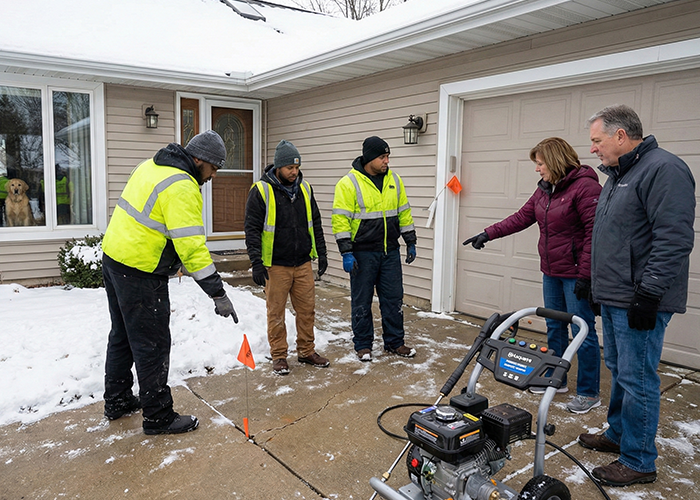 A little preparation makes winter pressure washing smoother for everyone. Vehicles, outdoor furniture, and loose items should be moved from the work area so crews can move safely and quickly.
Doors and windows should be fully closed, and any known problem spots can be flagged ahead of time. Letting the crew know about loose trim, failing caulk, or prior water issues near the foundation helps them adjust how they work.
Pets and family members stay safer indoors while the job takes place. A quick reminder to children about wet areas and hoses around the home keeps curiosity from creating new hazards.
Questions to ask Before Booking Winter Service
Good communication with a winter pressure washing company sets the tone for a smooth visit. Homeowners who ask a few focused questions gain a clearer picture of how the crew plans to handle cold conditions on their property.
Simple questions can uncover useful details, such as how the company protects plants, what temperature limits they follow, and how they manage runoff in icy weather. Answers to those questions show how prepared the team is for the season.
You might ask things like:
- What minimum temperature do you use as a cutoff for outdoor cleaning?
- How do you keep walkways and steps from becoming icy during the job?
- What changes do you make to equipment or soaps when power washing in winter?
Safe Winter Cleaning
Pressure washing in winter can be done safely when planning, timing, and technique work together. With the right crew, the right day, and a focus on safety, winter cleaning supports the home instead of harming it. Homeowners who ask careful questions and pay attention to temperature, runoff, and surfaces gain the benefits of a cleaner property while keeping people, structures, and equipment protected.
Need the professionals to get your property ready for winter? Washh offers expert pressure washing services to residential and commercial properties. Call us today at 704-321-8000 or contact us online to receive a free estimate.
Related Articles:
- The Best Time of Year to Pressure Wash Vinyl Siding: Winter vs. Spring
- Pressure Washing Before Winter: 7 Reasons To Do It
- Winter Home Maintenance: 5 Exterior Surfaces You Should Never Leave Dirty