

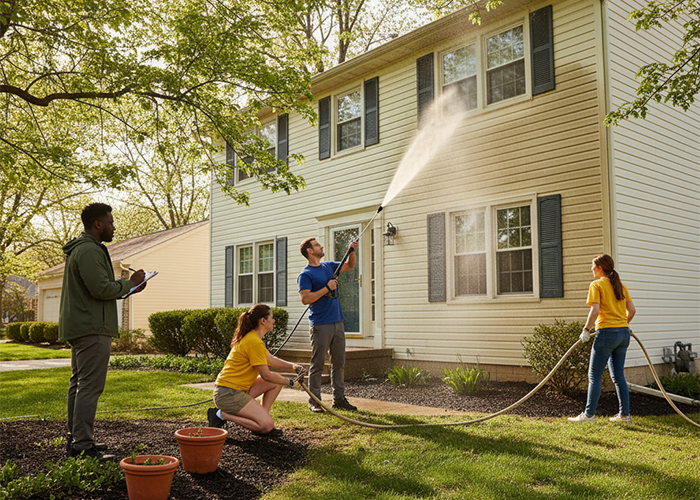
A clean exterior sets the tone for your entire home. If you plan to pressure wash vinyl this year, timing matters as much as technique.
What it Means to Pressure Wash Vinyl
When you pressure wash vinyl, you remove dirt, mold, and chalky residue with controlled water pressure and a siding-safe detergent. Done correctly, it restores color and helps your siding last longer. It also reduces the chance that grime will bake into the panels once summer heat arrives.
How Winter Conditions Affect Vinyl Siding
 Cold air changes how water behaves. It freezes on contact, which makes ladders slippery and rinse water harder to control. Dry time is slow, so moisture can sit in seams and corners.
Vinyl also becomes less flexible in extreme cold. If you spray too close, minor impact can turn into a crack. Your home still gets dirty in winter, but the risks rise as temperatures drop below freezing.
In many regions, daylight is limited. Shadows hide missed spots and make uniform cleaning difficult. You do not fail if you delay. You simply pick a safer window.
How Spring Sets You Up for Success
Spring offers milder temperatures and longer days. Detergent works better when it is not fighting freezing air or scorching sun. Rinse water evaporates faster, so surfaces dry clean instead of streaky.
Pollen and tree sap do show up in spring. That is exactly why an early wash helps. You clear the winter film, then start fresh before peak pollen coats every surface.
If you plan to pressure wash vinyl, spring gives you the best balance of comfort, safety, and results. You can see what you are doing, and the siding responds well.
Winter vs Spring: Which is Better to Pressure Wash Vinyl?
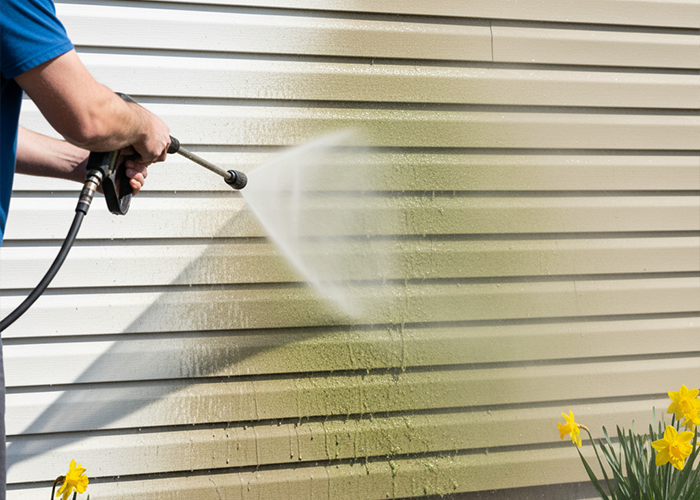 Most homeowners see better outcomes in spring. Temperatures are friendly to both the operator and the material. You can use standard pressure and be confident that panels will not get brittle.
Winter washing is possible in specific conditions. If the day is above freezing, calm, and sunny, you can spot clean problem areas. Still, spring remains the best overall season for a full, top-to-bottom wash.
Think in terms of risk and reward. Spring gives you strong results with low risk. Winter asks for more caution and offers less margin for error.
Regional Considerations and Climate Differences
Your climate shapes the call. In the South or coastal West, winter may be mild enough for routine exterior work. You may even prefer a clear, cool day in January to avoid spring pollen.
In the Midwest and Northeast, freeze-thaw cycles are common. Water can slip behind panels and freeze at night. That stress is not worth the clean unless you are handling a small, urgent area.
If you live near busy roads, road film builds up through winter. In that case, an early spring rinse can prevent staining and make your annual routine easier.
Timing Tips for Busy Homeowners
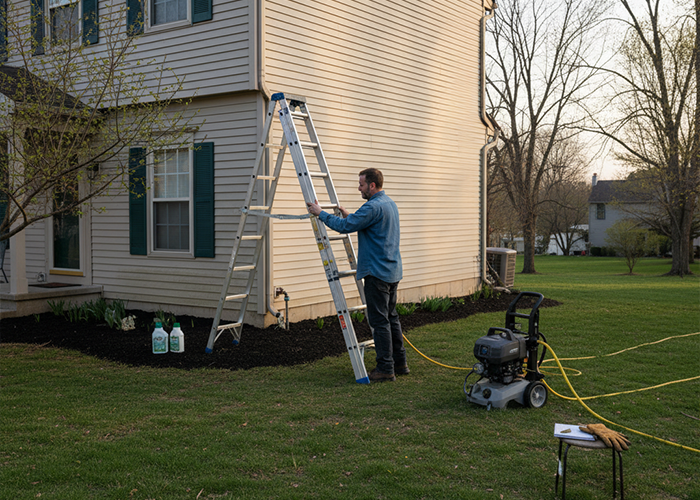 Pick a day between 50°F and 80°F when possible. The detergent will stay active and the siding will not heat up too fast. Start in the shade and follow the shade as the sun moves.
Plan before yard growth takes off. Early spring cleaning keeps mulch, new plants, and fresh paint out of harm’s way. It also avoids stepping on soft, wet beds.
Set aside enough time. Even a modest home needs careful prep and safe ladder work. Rushing is how mistakes happen.
What if You Must Pressure Wash Vinyl Sidings in Winter?
Sometimes you cannot wait. Maybe algae is spreading, or you are prepping for a sale. If you must wash in winter, choose a midday window above freezing and skip windy days.
Work in small sections so you can rinse and dry fast. Keep towels and a leaf blower handy to chase water out of seams. Watch the steps and deck boards for ice as you go.
Stay off ladders if the ground is frozen or slick. A short postponement is safer than a risky climb. You can spot clean reachable areas and return for a full wash later.
Preparing the Home Before You Pressure Wash Vinyl
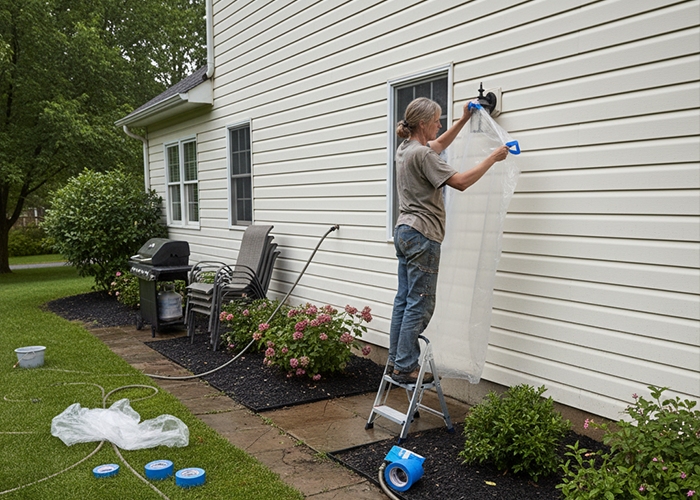 Good prep prevents damage. Close windows and doors. Cover exterior outlets and light fixtures with plastic and tape. Move furniture and grills away from the spray and mist.
You should also remember to protect landscaping. Rinse plants with clean water before you start, then again after you finish. Pre-wetting dilutes the detergent and keeps leaves from spotting.
Inspect the siding. Look for loose panels, gaps, or cracked caulk. Fix those first so water doesn’t find its way behind the skin of your home.
Pressure Wash Vinyl: Technique Basics
Vinyl siding cleans best at modest pressure. Aim for about 1,200 to 1,800 PSI with a 25- or 40-degree fan tip. Keep the wand 12 to 18 inches from the surface and move with smooth, overlapping passes.
Spray at a slight downward angle. This helps keep water out of laps and weep holes. Start at the bottom to wet and lubricate the surface, then apply detergent from the bottom up to avoid streaks, and rinse from the top down to carry soil away.
Use a siding-safe detergent. Products made for house exteriors break down mold and grime without harming vinyl. Never mix bleach with ammonia or acids. Rinse glass, trim, and plants as you go.
Common Mistakes to Avoid
- Do not set the nozzle too close. High-pressure blasts can lift panels or cut gaskets. The goal is a controlled sheet of water, not a sharp needle.
- Avoid zero-degree tips on siding. Those are for masonry stains, not plastic panels. A wider fan gives you even coverage and protects the surface.
- Skip washing in direct, hot sun. Detergent dries too fast and leaves residue. Work in shade bands for an even finish.
Safety First
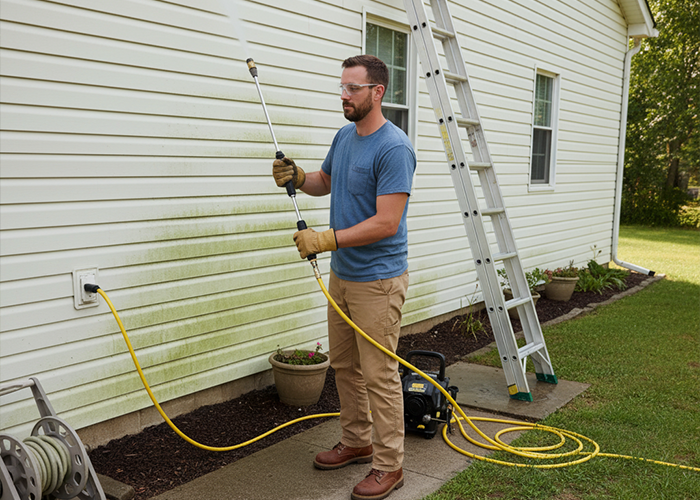 Personal safety matters as much as the clean. Wear eye protection, gloves, and closed-toe shoes with good traction. Keep both hands on the wand when you pull the trigger.
Check your GFCI outlets before you start. Water and electricity must be kept apart. If you use an extension cord for an electric unit, keep all connections off the ground.
Mind the ladder. Set it on level ground and secure the top. Better yet, clean from the ground with extension wands or a soft-wash add-on where it makes sense.
Environmental Notes and Runoff
Be thoughtful about where water goes. Divert runoff away from garden beds you care about. Avoid storm drains when you use detergent solutions.
Collect debris at ground level. A quick sweep keeps soil and leaves from drying on walkways. If you used a cleaner, rinse the driveway and sidewalk at the end.
Choose concentrates labeled for residential siding. These rinse cleaner and are less likely to affect plants or turf when used as directed.
Stubborn Stains and Special Spots
Algae often clings to the north side of a home. Let the detergent dwell for a few minutes, then rinse at a shallow angle. Repeat on heavy sections rather than cranking up pressure.
Rust, irrigation stains, and soot may need a specialty cleaner made for vinyl. Test in a hidden spot first. If a stain does not budge with safe chemistry and low pressure, call a pro.
Around windows and doors, switch to a gentler approach. A soft brush and a pump sprayer can solve detail work without risking seals.
Accessories That Make the Job Easier
A pivoting spray wand helps you reach under laps and eaves without awkward angles. Gutter and second-story attachments keep you on the ground longer.
Foam cannons lay down even soap coverage. They work well on long walls and reduce back-and-forth. Just remember to rinse thoroughly.
Surface cleaners are great for patios and walks, but skip them on siding. Panels are not flat like concrete, so a standard fan tip gives you better control.
How Often Should You Pressure Wash Vinyl
Most homes do well with a light wash once a year. If you live under dense trees or near water, you may need a touch-up every six to nine months. Watch for green film or dark streaks as your cue.
A spring clean sets your baseline. Mid-season, you can spot rinse shady sides or trim sections. That rhythm keeps the workload low and your home looking sharp.
Used wisely, pressure washing for vinyl siding maintenance can extend the life of your exterior. Clean panels shed water better and resist long-term staining.
Winter Touch-ups That Make Sense
You do not need to wash the whole house in January. A small rinse on the entry, the patio wall, or the area near a grill can keep salt and smoke from setting in.
Pick a sunny midday and keep the job short. Bring towels to catch drips and check for refreeze as temperatures drop. Focus on high-touch sections you see every day.
If ice or snow is in the forecast, wait. A tidy home is not worth a fall. You can schedule a full spring service and get better results with less stress.
Spring Checklist for a Fast, Clean Start
Spring is the season that favors both speed and quality. Use a simple plan, and you will finish in a single afternoon.
- Confirm a mild forecast with light wind and no rain.
- Protect outlets, fixtures, and plants, then mix a siding-safe soap.
- Work in shade bands, keep the wand moving, and rinse thoroughly.
With that routine, you pressure wash vinyl the right way. You get a bright surface, safe results, and a tidy yard when you are done.
The Right Time
If you need a single best season, pick spring. You will see faster cleaning, safer conditions, and longer-lasting results when you pressure wash vinyl. Winter cleanups still have a place, but treat them as small, careful touch-ups.
Related Articles: