
Keeping a home clean on the outside takes more than a garden hose and a little spare time. The pressure washing process removes dirt, algae, mildew, stains, and buildup that slowly collect on siding, driveways, patios, and other outdoor surfaces.
What to Expect During Pressure Washing
Many homeowners see the final results but rarely understand what happens before, during, and after a professional cleaning service. Knowing how the process works helps homeowners protect their property and make better decisions about exterior maintenance.
The pressure washing process begins long before water reaches a surface. Professionals inspect the property, identify the materials being cleaned, determine the proper cleaning methods, and select the correct equipment.
Every surface reacts differently to water pressure. Concrete can often withstand higher pressure levels, while vinyl siding, painted wood, and roofing materials require a gentler approach. Using the wrong settings can create damage, which is why trained technicians adjust their methods for each project.
The goal is not simply to spray water. The goal is to safely remove contaminants while preserving the surface underneath.
The Initial Property Inspection
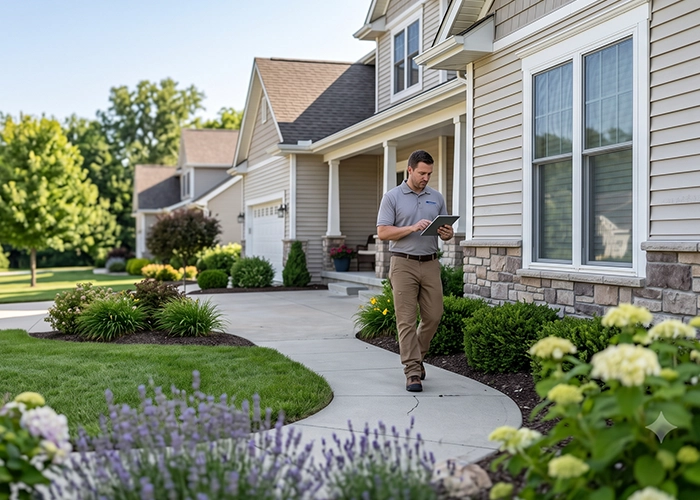
A professional cleaning usually starts with a walk around the property. During this inspection, technicians look for dirt buildup, mold, algae, oxidation, rust stains, and damaged areas.
Loose siding, cracked concrete, peeling paint, and deteriorating caulking may affect how the job is performed. Technicians also identify electrical outlets, outdoor fixtures, landscaping, and delicate areas that require protection.
This step allows the crew to develop the right cleaning plan. It also helps prevent unexpected issues during the service.
Choosing the Right Cleaning Method
Not every cleaning job requires the same approach. In many cases, low-pressure soft washing delivers better results than traditional high-pressure cleaning.
Soft washing uses specialized cleaning solutions and lower water pressure to remove organic growth such as algae, mildew, and mold. This method is commonly used on siding, stucco, painted surfaces, fences, and roofing materials.
Higher pressure settings may be used on durable surfaces such as:
- Concrete driveways
- Sidewalks
- Stone patios
- Brick surfaces
- Parking areas
Selecting the proper technique is one of the most important parts of professional exterior cleaning.
Preparing the Area Before Cleaning

Preparation often determines the success of the entire project. Before cleaning begins, technicians move outdoor furniture, protect plants, close windows, and cover sensitive areas.
Some landscaping may be watered beforehand to reduce exposure to cleaning solutions. Delicate decorative items are usually relocated temporarily.
Vehicles are often moved away from the work area. Outdoor electronics and electrical outlets may also receive additional protection.
A properly prepared property allows technicians to work safely and efficiently.
Applying Cleaning Solutions
One of the biggest misconceptions about pressure washing is that water alone removes stains. In reality, professional cleaning often relies on specially formulated detergents.
These cleaning solutions break down:
- Mold growth
- Mildew
- Algae
- Dirt buildup
- Pollen
- Grease stains
- Organic debris
The cleaning solution is applied and allowed to dwell on the surface for several minutes. During this period, contaminants begin to loosen from the material.
Some surfaces may require additional treatment depending on the level of staining. The cleaning agents are carefully selected to match the material being cleaned.
Using Proper Water Pressure

Pressure levels vary considerably from one job to another. Concrete surfaces may require several thousand PSI, while siding may need only a fraction of that pressure.
Professional technicians understand how spray angles, nozzle sizes, and water volume affect the cleaning process. The equipment is adjusted continuously based on surface conditions.
Using too much pressure can result in:
- Surface etching
- Damaged siding
- Splintered wood
- Broken seals
- Water intrusion
Using too little pressure may leave behind stains and organic growth.
Experience helps technicians find the proper balance.
Cleaning Different Exterior Surfaces
Every area of a property presents unique challenges. Exterior cleaning methods often change several times during a single visit.
House Siding
Vinyl, fiber cement, and painted siding are commonly cleaned using soft washing techniques. This removes algae and mildew without damaging the surface.
Driveways and Sidewalks
Concrete surfaces often develop oil stains, dirt buildup, and tire marks. Higher pressure and specialized surface cleaners are typically used to create consistent results.
Decks and Fences
Wood surfaces require careful pressure control. Excessive force can damage the wood fibers and shorten the life of the material.
Patios and Outdoor Living Areas
Patios collect dirt, leaves, algae, and stains over time. Proper cleaning restores their appearance and improves safety by reducing slippery surfaces.
Why Surface Cleaners Matter

Professional companies frequently use rotating surface cleaners on large flat areas. These tools distribute water evenly while reducing streaks.
Surface cleaners help improve efficiency and create a more uniform appearance on driveways, sidewalks, and patios.
Compared to a standard pressure washing wand, these tools provide several advantages:
- Faster cleaning times
- Consistent results
- Reduced striping
- Better water control
- Improved efficiency
Many homeowners notice the difference immediately after the cleaning is complete.
The Rinsing Stage
After detergents and contaminants have been removed, the surfaces are thoroughly rinsed.
This step ensures that cleaning solutions do not remain on the property. Proper rinsing also reveals the final appearance of the cleaned surfaces.
Some areas may receive additional attention if stains remain visible. Certain organic stains can require multiple treatments before complete removal occurs.
Patience during this stage often leads to the best results.
Final Inspection and Quality Check
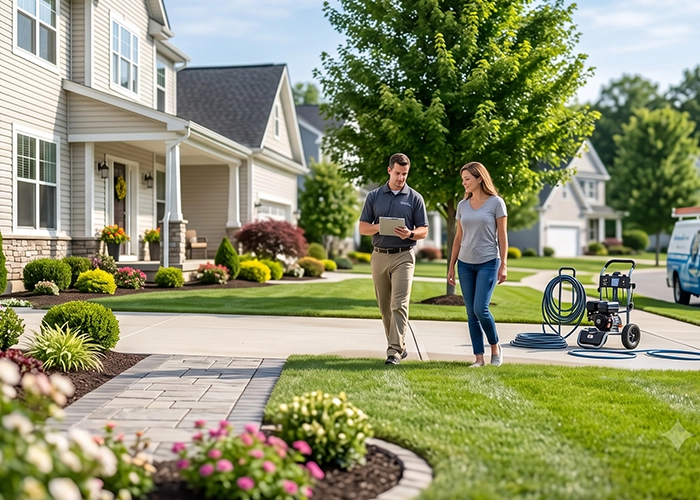
Once the cleaning is complete, technicians perform a final inspection of the property. This walkthrough allows them to verify that the desired results have been achieved.
Any remaining spots can be addressed before the crew leaves. Homeowners may also be invited to review the completed work.
Professional companies take this final step seriously because customer satisfaction often depends on the details.
The property is left clean, safe, and ready to enjoy.
How Long Does the Process Take?
The length of a pressure washing project depends on several factors.
These include:
- Property size
- Surface conditions
- Amount of buildup
- Number of areas being cleaned
- Weather conditions
A small residential cleaning may take only a few hours. Larger homes or properties with extensive staining can require additional time.
Rushing the process rarely produces quality results. Proper cleaning takes patience and attention to detail.
Benefits of Professional Pressure Washing
Regular exterior cleaning offers advantages beyond appearance. Dirt, algae, and mildew can slowly damage surfaces if they are allowed to remain for long periods.
Professional pressure washing helps:
- Improve curb appeal
- Protect exterior materials
- Remove slippery algae
- Extend surface life
- Prepare surfaces for painting
- Increase property value
Routine maintenance also prevents contaminants from becoming more difficult and expensive to remove later.
Many homeowners schedule annual cleanings to maintain their property’s appearance year-round.
Common Mistakes Homeowners Make
Do-it-yourself pressure washing may seem straightforward, but mistakes happen frequently.
Common problems include:
- Using excessive pressure
- Selecting the wrong nozzle
- Damaging siding
- Forcing water behind surfaces
- Killing landscaping
- Leaving cleaning solutions on surfaces
Rental equipment often lacks the versatility and precision used by professional companies.
Without proper training, small mistakes can become costly repairs.
When Should You Schedule Pressure Washing?
Most homes benefit from exterior cleaning every one to two years. However, climate and environmental conditions play a major role.
Homes near trees, heavily shaded areas, or humid environments often experience faster algae growth.
Consider scheduling service if you notice:
- Green or black streaks
- Mold growth
- Dirty siding
- Slippery walkways
- Stained concrete
- Dull exterior surfaces
Regular maintenance keeps these problems from becoming more severe.
From Dirt to Shine
From the initial inspection to the final rinse, every step plays a role in protecting and improving the property. A clean exterior makes a strong first impression and helps protect your investment.
If your home’s exterior has lost its shine. Washh Pressure Washing can restore its beauty, boost curb appeal, and help protect the surfaces that matter most.
Ready to refresh your property’s appearance? Call 704-321-8000 or contact us online today to schedule professional exterior cleaning services.
Related Articles:
- Roof Algae Removal: Why Soft Washing Protects Shingles and Warranty
- Should You Pressure Wash Downspouts?
- Is It Okay To Use Soap For Pressure Washing? What About Detergent?