


Loading dock cleaning is often overlooked, yet it plays a major role in keeping a facility safe and running smoothly. A clean dock not only improves appearance but also reduces risks, supports compliance, and helps daily operations stay on track.
Why Loading Dock Cleaning Should Be a Priority
Loading dock cleaning is not just about keeping things looking presentable. It directly impacts safety, efficiency, and even your company’s reputation.
Docks deal with constant traffic from trucks, forklifts, and employees. Over time, dirt, oil, grease, and debris build up quickly. If left untreated, these surfaces can become slippery and hazardous.
Clean docks also help create a better impression. Vendors, drivers, and inspectors often pass through these areas first. A well-maintained dock signals professionalism and attention to detail.
Common Contaminants Found on Loading Docks
 Loading docks collect a wide range of materials due to heavy daily use. Some of these contaminants are more than just an eyesore.
- Oil and grease buildup
Trucks and equipment often leak fluids. These can create slick surfaces that increase the risk of slips and falls. - Dirt and debris
Dust, packaging materials, and outdoor debris accumulate quickly. This can interfere with equipment and slow down operations. - Tire marks and stains
Repeated vehicle movement leaves behind marks that are difficult to remove without proper cleaning methods. - Organic matter and spills
Food products, chemicals, or waste can leave residues that lead to odors or sanitation concerns.
Each of these issues adds up over time. Without regular cleaning, they become harder to manage and more costly to remove.
Safety Risks Associated With Dirty Loading Docks
A dirty loading dock is more than a maintenance issue. It can become a serious safety concern if ignored.
Slippery surfaces are one of the biggest risks. Oil and water mix easily, especially in outdoor docks. This creates conditions where employees can easily lose footing.
Debris also plays a role. Loose materials can get caught under equipment or cause trips. Even small obstacles can lead to injuries when heavy machinery is involved.
Poor visibility is another factor. Stains and buildup can hide important markings or hazards. This makes it harder for workers to navigate the space safely.
Maintaining a clean dock helps reduce these risks. It creates a safer environment for both employees and visitors.
How Regular Cleaning Improves Efficiency
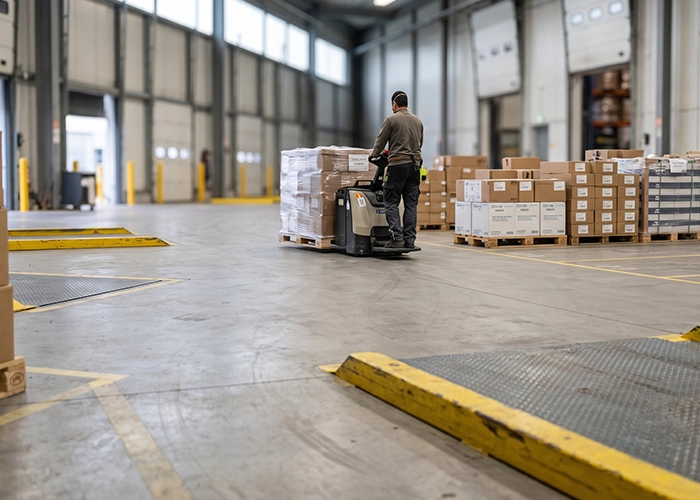 Clean loading docks support smoother operations. When surfaces are clear and well-maintained, work can move faster and with fewer interruptions.
Forklifts and pallet jacks perform better on clean surfaces. Debris and buildup can affect traction and movement. Over time, this can also lead to wear and tear on equipment.
Organization improves as well. When docks are clean, it becomes easier to manage inventory and staging areas. Workers spend less time dealing with obstacles and more time completing tasks.
There is also less downtime. Regular cleaning helps prevent issues that could slow operations, such as clogged drains or blocked pathways.
Best Practices for Effective Loading Dock Cleaning
Keeping a loading dock clean requires more than occasional sweeping. A consistent approach makes all the difference.
- Establish a cleaning schedule
High-traffic docks should be cleaned more frequently. Weekly or bi-weekly cleaning is common for busy facilities. - Use the right cleaning methods
Pressure washing is one of the most effective ways to remove tough stains and buildup. It reaches areas that standard cleaning cannot. - Focus on high-risk areas
Pay close attention to ramps, edges, and areas where fluids collect. These spots tend to become hazardous quickly. - Maintain proper drainage
Clean drains regularly to prevent water buildup. Standing water can lead to slips and long-term damage. - Train staff on basic upkeep
Daily maintenance, such as removing debris and reporting spills, helps keep conditions under control between deep cleanings.
Consistency is key. When cleaning becomes part of routine operations, results are easier to maintain.
The Role of Professional Pressure Washing
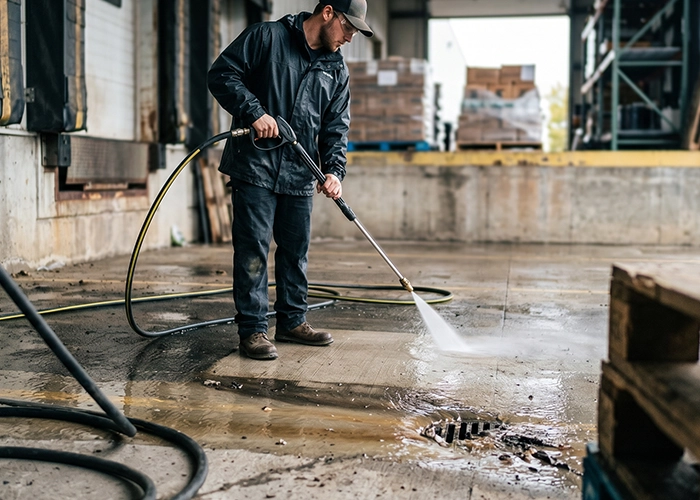 While basic cleaning can be handled in-house, professional pressure washing brings a deeper level of care.
Commercial equipment is designed to handle heavy-duty cleaning. It can remove stubborn stains, grease, and buildup more effectively than standard tools.
Professionals also understand how to treat different surfaces. Concrete, metal, and dock plates each require specific techniques. Using the wrong method can cause damage or leave residue behind.
Another advantage is efficiency. A professional team can complete the job quickly without disrupting operations for long periods. This makes it easier to maintain a clean dock without affecting productivity.
Environmental Considerations in Dock Cleaning
Loading dock cleaning should be done with environmental responsibility in mind. Many contaminants found on docks can impact surrounding areas if not handled properly.
Runoff is a major concern. Cleaning water can carry oil, chemicals, and debris into storm drains. This can lead to environmental damage and potential fines.
Professional cleaning services often use containment systems. These help capture and properly dispose of wastewater. Eco-friendly cleaning solutions can also reduce environmental impact.
By taking the right approach, facilities can maintain cleanliness while staying compliant with environmental standards.
Signs Your Loading Dock Needs Immediate Cleaning
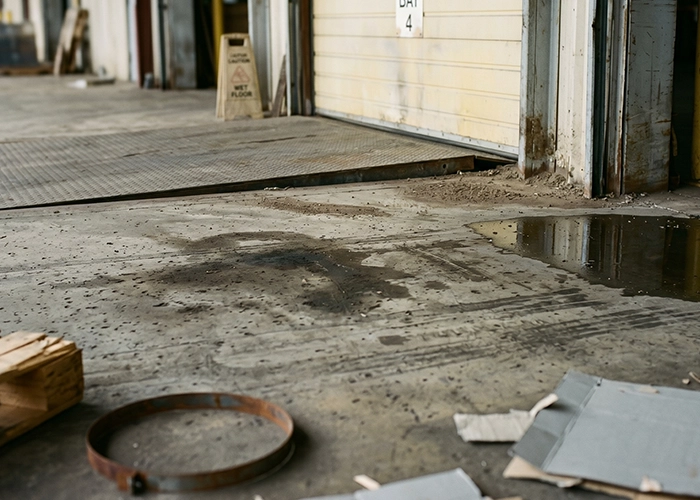 Sometimes it is easy to overlook when a dock needs attention. There are clear signs that indicate it is time to act.
- Visible oil or grease stains
- Strong odors or residue buildup
- Standing water or drainage issues
- Increased slip or trip incidents
- Noticeable decline in appearance
Addressing these signs early helps prevent larger problems. It also keeps the dock safer and more efficient.
How Loading Dock Cleaning Supports Compliance
Many industries have strict standards for cleanliness and safety. Loading docks are often included in inspections.
Regulations may require proper waste handling, clear walkways, and safe working conditions. Failing to meet these standards can result in fines or penalties.
Clean docks also support internal policies. Companies that prioritize maintenance often see fewer incidents and better overall performance.
Regular cleaning helps ensure that facilities remain compliant and prepared for inspections.
Choosing the Right Cleaning Partner
 Selecting the right team for loading dock cleaning can make a big difference. Not all providers offer the same level of service or expertise.
Look for a company with experience in commercial and industrial environments. They should understand the unique challenges of loading docks.
Equipment and methods also matter. A reliable provider uses professional-grade tools and follows best practices for safety and efficiency.
Communication is another key factor. A good partner works around your schedule and provides clear expectations. This helps minimize disruption and ensures consistent results.
Keeping Your Loading Dock in Top Shape
With the right approach and consistent care, your facility can operate at its best every day.
Ready to improve safety and efficiency at your facility? Washh.com services are designed to handle even the toughest buildup.
Contact us today to schedule a service and keep your operations running clean and smooth.
Related Articles: