
A clean exterior is one of the quickest ways to help homes stand out. When properties look well-kept, buyers take notice and residents feel proud. Done right, house washing supports the curb appeal and longevity of an exterior paint job, which can help lift HOA property value.
Why Clean Exteriors Matter for HOA Property Value
First impressions begin at the curb. Fresh siding, bright trim, and spotless walkways signal a well-run community. That perception often translates into stronger demand and better offers, which can support HOA property value across the board.
Clean surfaces also last longer. Mold, algae, and grime hold moisture against paint and siding. Remove the buildup, and you reduce premature wear, repaint cycles, and repair calls.
Exterior House Washing and Property Value
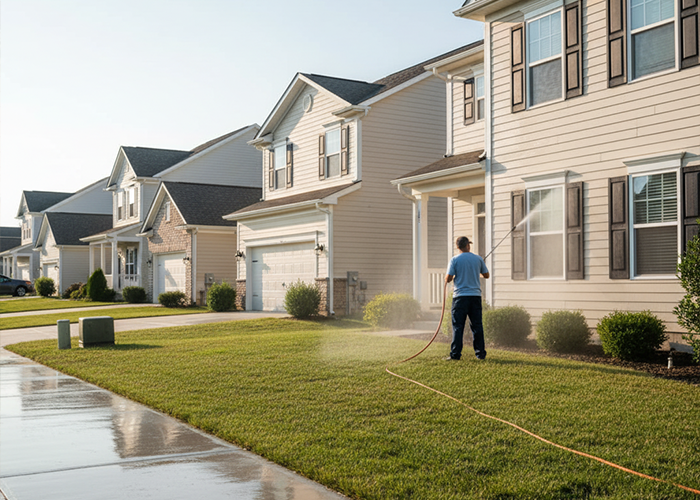 Exterior house washing increases property value by improving what buyers see first and by protecting the building envelope. Most shoppers make a decision quickly. If your streetscape looks clean and consistent, more showings follow and time on market can shrink.
There is a maintenance win as well. Dirt traps moisture and pushes water into seams. Gentle, well-chosen cleaning methods remove contaminants before they trigger peeling paint, swollen trim, or soft wood.
Methods and Materials
Not every surface can handle the same approach. That is why professional exterior cleaning for HOA communities begins with a quick material audit.
- Vinyl and painted wood often respond best to low-pressure soft washing with a detergent that lifts organic growth.
- Brick and concrete benefit from higher pressure in trained hands, but still need the right tips and distance.
- Stucco, EIFS, and older siding require special care, low pressure, and a rinse that protects the finish.
Matching the method to the material preserves coatings and prevents unnecessary damage. That care supports HOA property value by protecting what you already own.
Soft Washing vs Pressure Washing: What Works Where
 Soft washing uses low pressure and a cleaning solution to break down algae, mildew, and dirt. It is ideal for siding, trim, soffits, and painted surfaces. Results last because the process targets biological growth.
Traditional pressure washing uses higher pressure and is best for hardscapes. Think driveways, pavers, curbs, and concrete pool decks. The key is balancing pressure and flow so stains lift without scarring the surface.
A professional team will often blend both methods on the same property. Soft for the home. Higher pressure for the ground. The right blend keeps finishes safe while delivering a consistent look.
Target the Spots That Drag Down HOA Property Value
Some problems quietly eat at curb appeal. They are common, easy to miss, and hard on perception. Address them, and the entire street looks better.
- Algae on siding and trim: Green streaks and dark blotches make paint look old. A gentle wash removes the growth and brightens color instantly.
- Black streaks under gutters: Runoff leaves long lines on fascia and siding. Light detergent and a soft rinse remove stains without lifting paint.
- Rust marks at hose bibs and sprinklers: Irrigation overspray and minerals create orange trails on stucco and brick. Specialty cleaners and careful rinsing clear stains without rough scrubbing.
- Concrete stains on drives and walks: Oil, leaf tannins, and tire marks read as neglect. Hot-water pressure washing and proper degreasers restore a uniform finish.
- Mold and mildew on north-facing walls: Shaded areas hold more moisture. A soft-wash treatment kills growth and slows its return.
These small fixes add up. When each home looks sharper, the whole block benefits, and that helps protect HOA property value over time.
Create a Community-Wide Standard
 Consistency sells. A clear exterior standard keeps streetscapes aligned and prevents one neglected facade from hurting nearby sales. Many boards bundle HOA property maintenance and pressure washing into seasonal plans. That way, everyone gets the same level of care and the timeline stays predictable.
Set simple guidelines such as acceptable wash methods by surface, approved detergents, water use rules, and scheduling windows. Provide a short checklist for residents who want to opt in to extra services like fence cleaning or patio washing.
Schedule by Season for Lasting Results
Timing makes a difference. In most regions, a spring soft wash sets the tone for the year. Pollen, dust, and winter grime come off before summer showings. A fall rinse prepares exteriors for cooler, wetter months.
High-traffic areas may need touch-ups. Mail kiosk pads, entry monuments, pool decks, and sidewalks see daily wear. A quick mid-season rinse keeps stains from setting and reduces slip hazards on shaded walks and steps.
Protect Landscaping and Water Use
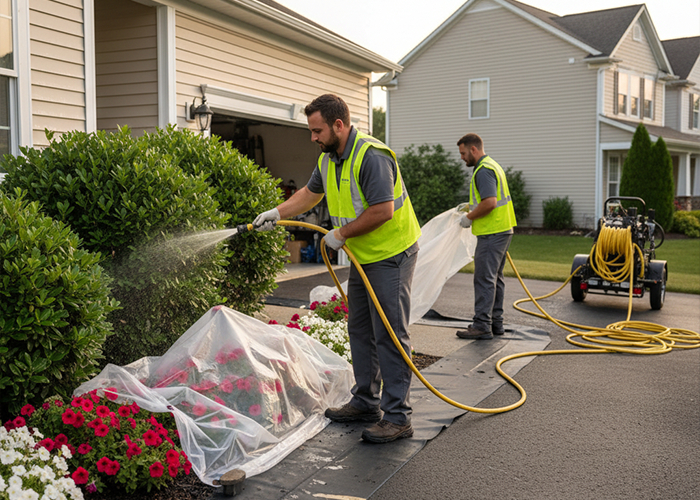 A reputable contractor stages the site before any hose turns on. Plants get a light pre-rinse. Sensitive beds are covered. Drift is managed, and runoff is contained or directed to safe areas.
Detergents should be chosen for the task and applied sparingly. The crew should follow local water rules and reclaim where required. Good practices keep the community safe and show residents that care extends beyond clean siding.
Safety and Liability: Keep Residents Secure
Clean surfaces look good, but they also reduce risk. Slippery algae on shaded sidewalks can lead to falls. Mildew on composite decks can become slick after rain. Regular exterior pressure washing for HOA homes helps restore traction.
Working with a qualified team adds another layer of protection. Insured, trained crews use proper ladders, ground-fault protection, and safe mixing procedures. The board gets documentation, and residents get a safer property.
Professional vs DIY: Why Expertise Pays
 DIY washing seems simple until paint lifts or water gets pushed behind siding. Professionals bring calibrated machines, correct tips, and surface-safe detergents. They also know how to rinse windows and fixtures so spotting is minimal.
For boards, the value comes from efficiency and uniform results. A trained crew can complete a street in hours with the same standard from home to home. That consistency makes photos pop and listing agents happy, which helps support HOA property value during peak selling periods.
Budgeting and ROI: Make the Numbers Work
Exterior cleaning is one of the more affordable maintenance items. It reaches every passerby and every listing photo. Communities often see the best return when they combine house washing with driveway and sidewalk cleaning. The overall effect is stronger than any single task on its own.
Bundled contracts usually reduce costs per home. Staggered schedules help spread the budget across the year. Communicate the plan early so residents know what to expect and why it matters.
A Simple Plan for Your Community
A short, repeatable plan keeps things moving:
- Walk the community and note problem areas by surface.
- Prioritize home exteriors, then hardscapes, then amenities.
- Set surface-specific methods and product guidelines.
- Choose a contractor with HOA experience and clear insurance.
- Schedule spring soft washing and a late-summer or early-fall touch-up.
- Track results with quick photos for next year’s planning.
This rhythm keeps the neighborhood fresh while protecting paint and materials. Over time, the steady attention supports HOA property value.
First Impressions
Clean exteriors are a small maintenance line that can make a big visual impact. With the right methods and timing, washing supports durability and enhances curb appeal. That combination helps protect HOA property value and keeps the community looking its best year round.
Related Articles: