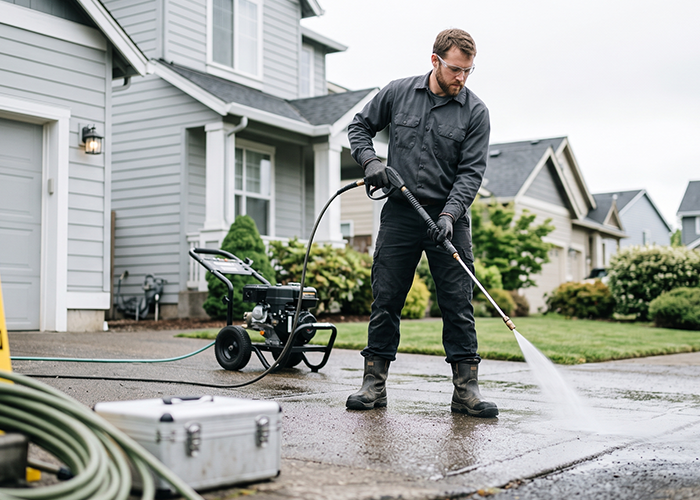
Pressure washing is one of the fastest ways to restore the appearance of homes, businesses, sidewalks, parking lots, and other outdoor surfaces. However, even a routine cleaning project comes with risks, which is why following pressure washing safety standards is just as important as achieving great cleaning results.
Every Property Owner Should Know
Whether you’re cleaning a driveway or maintaining a large commercial property, safe practices protect people, equipment, and the surfaces being cleaned. Understanding the basics helps prevent injuries, costly repairs, and unnecessary downtime.
Pressure washing may look simple from a distance, but it involves equipment capable of producing thousands of pounds of pressure. Water leaving the spray nozzle at that force can damage materials, break glass, strip paint, or even cause serious injuries if handled improperly.
Professional pressure washing companies follow established safety practices because every property presents different conditions. A residential patio requires a different approach than a commercial parking garage, and cleaning delicate siding calls for different techniques than removing grease from concrete.
Following pressure washing safety standards begins long before the equipment is turned on. Experienced technicians inspect the work area, identify hazards, determine the appropriate pressure settings, and choose the right cleaning methods for each surface.
Safety is not only about protecting workers. It also protects customers, pedestrians, landscaping, vehicles, pets, and nearby structures. Every precaution reduces the chance of accidents while helping the project stay on schedule.
Why Safety Matters During Pressure Washing
 High-pressure water has tremendous cleaning power, but that same force demands respect. Small mistakes can quickly become expensive problems if proper procedures are ignored.
Property damage is one of the biggest concerns. Excessive pressure can scar wood, crack aging concrete, force water behind siding, or remove protective coatings from surfaces that are meant to last for years.
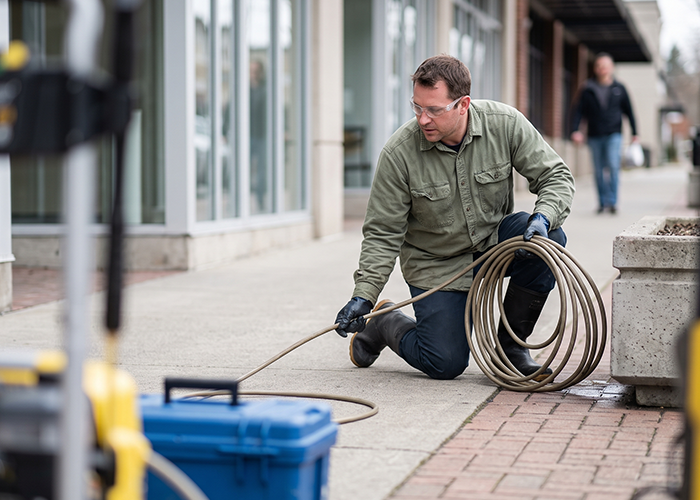
Personal injuries are another risk. The concentrated stream from a pressure washer can cut skin, damage eyes, or cause slips and falls on wet pavement. Hoses stretched across sidewalks or parking lots can also become tripping hazards if they are not properly managed.
Commercial properties face additional responsibilities because customers, employees, and visitors may still be present while cleaning takes place. Safe work zones help reduce liability while allowing normal operations to continue with minimal disruption.
For these reasons, professional contractors make safety part of every step instead of treating it as an afterthought.
Common Hazards Found During Pressure Washing
Every project is different, but certain hazards appear more often than others. Identifying them before work begins makes it much easier to avoid accidents.
High-Pressure Water Injuries
The pressure generated by commercial equipment is strong enough to penetrate skin. Even injuries that appear minor can become serious because bacteria and debris may enter the wound.
Operators should never point the spray wand toward themselves or another person. Keeping both hands on the equipment and maintaining control of the spray greatly reduces unnecessary risks.
Slippery Walking Surfaces
As dirt, algae, grease, and cleaning solutions are removed, walkways often become extremely slippery. This is especially true around pool decks, sidewalks, entryways, and restaurant exteriors.
Professional crews often clean in sections while placing warning signs around wet areas. This simple step helps prevent slips for both workers and pedestrians.
Electrical Hazards
Water and electricity are never a good combination. Outdoor outlets, lighting fixtures, security cameras, extension cords, and exposed wiring require extra attention before washing begins.
Whenever possible, power should be disconnected from nearby electrical equipment. Areas that cannot be safely cleaned should be treated using alternative methods that reduce the risk of electrical accidents.
Flying Debris
Loose gravel, mulch, chipped concrete, and other debris can become airborne during cleaning.
Protective eyewear helps shield workers from unexpected debris, while nearby windows, vehicles, and outdoor furniture should be protected before work begins.
Chemical Exposure
Some cleaning jobs require detergents or specialty cleaning products to remove mold, mildew, grease, or rust stains.
Although these products improve cleaning results, they must be mixed, stored, and applied according to manufacturer recommendations. Using the wrong concentration can damage surfaces while increasing health risks for workers.
Choosing the Right Equipment for Safe Cleaning
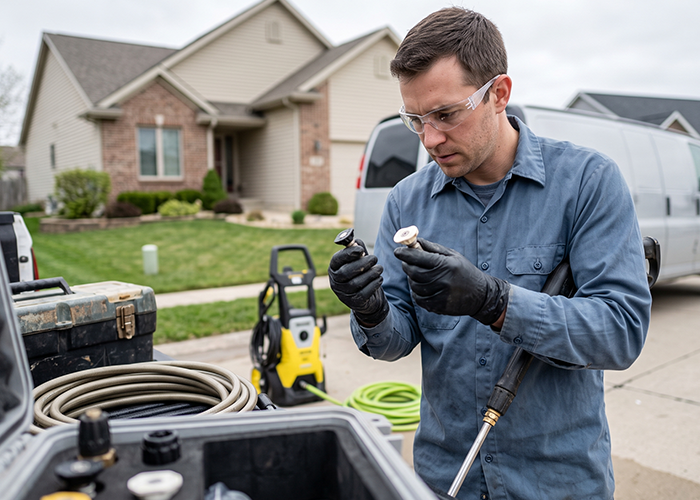 Safety starts with using equipment that matches the job. Bigger is not always better when it comes to pressure washers.
Different surfaces require different pressure levels. Soft wood, vinyl siding, painted surfaces, and roofing materials generally require lower pressure than concrete or masonry.
Professional contractors also select the proper nozzle for each application. The spray angle changes how concentrated the water stream becomes, allowing technicians to clean effectively without using excessive force.
Equipment should also receive routine inspections before every project. Checking hoses, fittings, trigger guns, and spray wands helps identify leaks or worn components before they fail during operation.
Regular maintenance extends equipment life while improving overall safety on the job site.
Personal Protective Equipment Makes a Difference
Even experienced technicians rely on protective equipment every day. Proper gear creates an extra layer of protection against common workplace hazards.
Essential personal protective equipment often includes:
- Safety glasses or goggles to protect against flying debris
- Waterproof gloves for improved grip and chemical protection
- Hearing protection when operating high-powered equipment
- Slip-resistant boots for better footing on wet surfaces
- Long pants and durable clothing that cover exposed skin
Some projects also require face shields, respirators, or additional protective clothing when stronger cleaning solutions are being used.
Protective equipment should fit properly and remain in good condition. Damaged gloves or scratched eye protection may no longer provide the level of protection workers need.
Inspecting the Property Before Cleaning
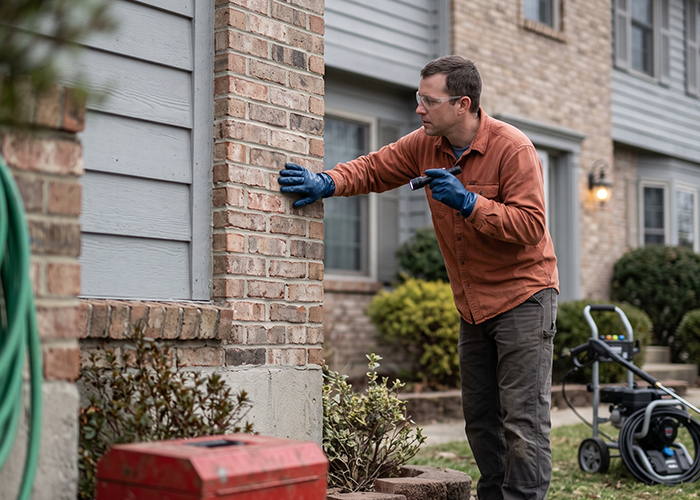 One of the most overlooked parts of pressure washing is the inspection that takes place before the first spray.
Professional technicians evaluate the condition of every surface to determine the safest cleaning method. Older buildings may have loose mortar, deteriorating paint, cracked siding, or weakened wood that requires extra care.
During the inspection, crews also look for:
- Loose electrical connections
- Damaged concrete
- Open windows
- Fragile landscaping
- Outdoor decorations
- Security cameras
- Light fixtures
- Pets or wildlife in the area
This planning stage helps avoid surprises that could interrupt the project or cause unnecessary damage.
Inspection also allows technicians to identify areas that may benefit from soft washing instead of traditional high-pressure cleaning.
Understanding the Difference Between Pressure Washing and Soft Washing
Many people assume every exterior cleaning project requires maximum pressure. In reality, using excessive pressure often creates more problems than it solves.
Soft washing combines lower water pressure with specially formulated cleaning solutions that break down mold, algae, mildew, and organic growth. Instead of relying solely on force, the cleaning solution does much of the work.
This approach protects delicate materials such as:
- Roof shingles
- Vinyl siding
- Stucco
- Painted wood
- Outdoor screens
- Composite siding
Using the correct cleaning method is one of the most important pressure washing safety standards because it protects the surface while delivering better long-term results.
Many professional contractors use both techniques depending on the condition of the property. Choosing the right method for each surface reduces unnecessary wear while producing a cleaner finish.
Handling Cleaning Chemicals Safely
 Water alone can remove dirt and loose debris, but some stains require specialized cleaning products. Grease, oil, algae, mold, mildew, rust, and heavy organic buildup often respond better when the proper detergent is used.
Cleaning chemicals should always be selected based on the surface and the type of stain being treated. Using the wrong product can discolor concrete, damage painted surfaces, kill surrounding vegetation, or shorten the lifespan of exterior materials.
Professionals also pay close attention to dilution ratios. Stronger does not always mean better. A properly mixed solution often cleans more effectively while reducing the risk of damage.
Safe chemical handling includes several important practices:
- Reading and following the manufacturer’s instructions
- Wearing the recommended personal protective equipment
- Mixing chemicals in well-ventilated areas
- Never combining incompatible cleaning products
- Storing chemicals in clearly labeled containers
- Keeping products away from children and pets
Proper rinsing is equally important. Leaving chemical residue behind can affect nearby landscaping or create slippery surfaces after the cleaning is complete.
Protecting Landscaping and Outdoor Features
A successful pressure washing project improves curb appeal without harming the surrounding landscape. Trees, flowers, shrubs, and lawns are valuable parts of any property and deserve protection during cleaning.
Before work begins, professionals often pre-wet plants with clean water. Moist soil and damp leaves help reduce the chance of cleaning products being absorbed by vegetation.
Sensitive plants may also be temporarily covered while nearby surfaces are cleaned. Once the work is complete, the landscaping is rinsed again to remove any remaining residue.
Outdoor furniture, grills, decorations, irrigation systems, and lighting fixtures should also receive attention before washing begins. Moving or covering these items prevents unnecessary damage while allowing technicians to work more efficiently.
Small preparation steps like these often make a significant difference in the final results.
Preventing Damage to Different Surfaces
 One of the biggest misconceptions about pressure washing is that every surface should be cleaned the same way. In reality, different materials require different techniques, pressure settings, and nozzle selections.
Concrete is generally durable, but older concrete can develop surface damage if excessive pressure is used. Decorative concrete, stamped concrete, and sealed surfaces require even greater care to preserve their finish.
Wood decks are another example. Applying too much pressure can leave permanent marks, splinter boards, or remove protective stains and sealers. Using moderate pressure with the correct spray pattern helps clean the surface without causing unnecessary wear.
Vinyl siding also requires careful attention. Spraying water upward beneath the panels can force moisture behind the siding, creating conditions that encourage mold growth and water damage.
Brick and masonry appear tough, but aging mortar joints may weaken over time. Cleaning should focus on removing contaminants without dislodging mortar or allowing water to penetrate the structure.
Choosing the proper technique protects both the appearance and longevity of the property.
Creating a Safe Work Zone
Safety extends beyond the person operating the equipment. Anyone walking near the work area should also be protected from potential hazards.
Professional crews establish work zones before cleaning begins. Temporary barriers, cones, caution tape, and warning signs help direct foot traffic away from active cleaning areas.
Commercial properties often require additional planning because employees and customers may still be entering and exiting the building throughout the day. Scheduling work during slower business hours can reduce disruptions while improving overall safety.
Good communication also plays an important role. Property managers, business owners, and maintenance staff should know which areas will be cleaned and when they may safely return to normal use.
A well-organized work site allows the project to move smoothly while minimizing unnecessary risks.
Equipment Maintenance Supports Safe Operation
Pressure washing equipment works under demanding conditions. Regular maintenance helps ensure it performs safely and consistently from one project to the next.
Before every job, technicians should inspect hoses, fittings, spray guns, nozzles, and connections for signs of wear. Small leaks or damaged components can quickly become larger problems if ignored.
Routine maintenance should include:
- Inspecting hoses for cracks or bulges
- Checking fittings for leaks
- Cleaning spray nozzles
- Testing trigger locks
- Monitoring engine or motor performance
- Replacing worn seals and O-rings
- Following scheduled maintenance recommended by the manufacturer
Properly maintained equipment not only improves safety but also produces more consistent cleaning results and reduces unexpected downtime.
Weather Conditions Can Affect Safety
Weather has a direct impact on pressure washing projects. Even experienced professionals adjust their approach based on changing conditions.
Rain can create additional slip hazards, while strong winds may blow water and cleaning solutions onto nearby vehicles, windows, or pedestrians. Extremely hot weather can cause detergents to dry too quickly, reducing their effectiveness and leaving streaks behind.
Cold temperatures present another challenge. Water can freeze on sidewalks, parking lots, and entryways, creating dangerous walking conditions.
Professional contractors monitor weather forecasts before scheduling larger projects. If conditions create unnecessary safety concerns, postponing the work is often the safest decision.
Environmental Responsibility Is Part of Safe Pressure Washing
Pressure washing safety standards also include protecting the environment. The water leaving a property may contain dirt, grease, chemicals, paint residue, or other contaminants that should not enter nearby storm drains.
Responsible contractors use cleaning practices that minimize environmental impact whenever possible. In some situations, wastewater may need to be collected or redirected according to local regulations.
Biodegradable cleaning products are often selected when appropriate because they help reduce environmental impact while still delivering excellent cleaning performance.
Water conservation is another important consideration. Modern commercial equipment cleans efficiently while using less water than many people expect. Combining proper pressure settings with effective detergents often reduces the amount of water needed to complete the project.
Protecting the surrounding environment benefits both the property owner and the community.
Why Professional Pressure Washing Is the Safer Choice
While consumer pressure washers are widely available, operating them safely requires knowledge, experience, and proper equipment. A mistake can easily result in damaged surfaces, personal injury, or expensive repairs.
Professional technicians understand how different materials respond to water pressure, cleaning solutions, and application techniques. They know when high pressure is appropriate and when soft washing will produce better results.
Hiring experienced professionals also means the project is completed with commercial-grade equipment that is regularly maintained and designed for demanding cleaning applications.
In addition, professional companies typically carry insurance and follow established safety procedures that help protect both their workers and the property owner.
The goal is not simply to make a property look cleaner. It is to deliver long-lasting results while reducing unnecessary risks throughout the entire process.
Make Safety Part of Every Cleaning Project
Pressure washing delivers impressive results when it is performed correctly, but safety should always come first. Following proven pressure washing safety standards helps protect people, preserve property, extend the life of exterior surfaces, and ensure every project is completed with confidence.
Whether you need residential or commercial exterior cleaning, partnering with experienced professionals provides peace of mind from start to finish.
Don’t let dirt, grime, and buildup take away from your property’s curb appeal. Our skilled team is equipped with the right tools and expertise to restore your surfaces safely and efficiently. Reach out today at 704-321-8000 or contact us online to schedule your free estimate!
Related Articles:
- The Ideal Commercial Property Maintenance Checklist
- What Is Power Washing?
- Commercial Pressure Washer: How Does It Make A Difference?