

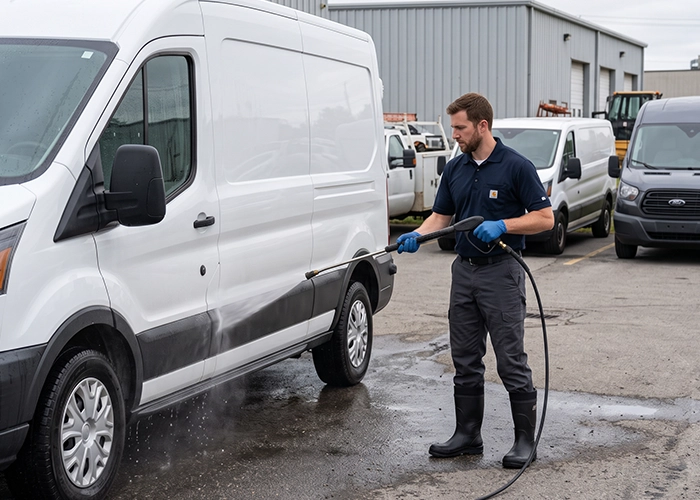
A clean fleet presents a professional image, but appearance is only part of the story. The right fleet washing frequency can help protect vehicle finishes, expose maintenance concerns, and keep company branding easy to see.
Why Fleet Washing Frequency Matters
Most fleets benefit from weekly or biweekly washing, though the best schedule depends on how and where the vehicles operate.
Fleet washing frequency determines how long dirt, road film, salt, grease, and other contaminants remain on a vehicle. When these materials sit for too long, they can stain surfaces and make routine cleaning more difficult. Some contaminants may also hold moisture against metal parts and raise the risk of corrosion.
Regular washing gives fleet managers a clearer view of each vehicle. Fresh leaks, damaged lights, loose trim, chipped paint, and early rust are easier to notice on a clean surface. Drivers can report those problems before they grow into more expensive repairs.
Cleaning also affects how customers see the business. A truck, van, or service vehicle may be one of the first things a customer notices. When it arrives clean and well cared for, it suggests that the company values order, safety, and attention to detail.
How Often Should You Wash Your Fleet?
 There is no universal washing schedule that works for every fleet. However, weekly or biweekly service is a practical starting point for many commercial vehicles. Fleets with light use and limited outdoor exposure may be able to follow a monthly schedule.
A weekly wash often works best for vehicles that travel every day, enter dirty job sites, or carry visible company graphics. It removes buildup before it can settle into seams, wheels, painted surfaces, and lower body panels.
Biweekly washing may be enough for service vans and delivery vehicles that travel on paved roads in mild conditions. Monthly cleaning is usually better suited to backup vehicles, low-mileage units, or vehicles kept indoors for much of the time.
The following schedule offers a useful starting point:
- Weekly: High-use vehicles, construction fleets, waste trucks, public-facing service vans, and vehicles exposed to salt or mud
- Every two weeks: Delivery vehicles, sales cars, rental fleets, and service vehicles used under normal road conditions
- Monthly: Light-use vehicles, indoor-stored units, backup vehicles, and fleets operating in relatively clean areas
These intervals should not be treated as fixed rules. A fleet manager should adjust them when routes, seasons, workloads, or appearance standards change.
Vehicle Use Should Guide the Schedule
A fleet that spends each day on highways faces different conditions from one that works at construction sites. Mileage matters, but the type of work often matters more. Even a low-mileage truck may need frequent cleaning if it travels through mud, dust, grease, or standing water.
Construction vehicles often collect soil, clay, concrete dust, and other job-site debris. If this material dries and hardens, it may take more time and stronger cleaning methods to remove. Weekly cleaning, along with targeted rinsing after especially dirty jobs, can prevent thick layers from forming.
Delivery and service vehicles may not look as dirty at first glance. Still, brake dust, exhaust film, bugs, fingerprints, and road grime build up through daily use. A biweekly wash often keeps these vehicles presentable without causing major scheduling problems.
Long-haul trucks may need weekly cleaning because they travel through changing climates and road conditions. One route can expose a vehicle to rain, dust, insects, salt, and industrial pollution. Frequent washing prevents that mixture from staying on the truck for several weeks.
Weather Can Change Your Washing Needs
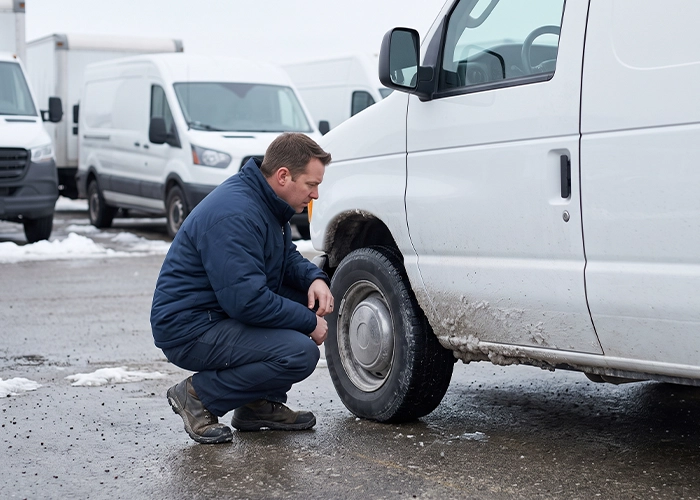 Seasonal weather can quickly disrupt a standard commercial fleet washing schedule. A vehicle that stays clean for two weeks during dry weather may look neglected after a few days of heavy rain. Fleet managers should leave room for extra service when local conditions require it.
Winter often calls for more frequent washing in regions where salt and deicing products are used. Salt residue can collect beneath vehicles, around wheel wells, and inside hard-to-reach seams. Because it attracts moisture and supports corrosion, it should be removed before it remains on metal surfaces for an extended period.
During periods of regular salt exposure, consider these steps:
- Wash active vehicles at least once a week.
- Add undercarriage cleaning when salt is visible or roads have recently been treated.
- Rinse vehicles after major snow or ice events when practical.
- Check wheels, brake areas, frames, and lower panels for trapped residue.
Spring brings pollen, rain, tree sap, and organic debris. Pollen can form a stubborn film when it mixes with moisture, especially on flat surfaces. Vehicles parked near trees may also need prompt cleaning when sap or bird droppings appear.
Hot, dry weather creates its own concerns. Dust can gather around door handles, mirrors, vents, and vehicle graphics. Bugs may also harden on front bumpers and windshields, making them tougher to remove if cleaning is delayed.
Branding Raises the Standard for Cleanliness
Branded vehicles serve as mobile advertisements. Every trip puts the company name, phone number, logo, and services in front of potential customers. Dirty graphics are harder to read and may create an impression that the business does not care for its equipment.
For that reason, customer-facing fleets often need weekly washing even when dirt is not severe. Plumbing vans, HVAC trucks, delivery vehicles, shuttle buses, and property service vehicles frequently stop at homes or businesses. Their appearance becomes part of the customer experience.
Vehicle graphics also require proper care. Strong chemicals, excessive pressure, and poor washing methods can lift edges or dull printed surfaces. Professional cleaners can select an approach that removes road film while helping preserve wraps, decals, and painted logos.
A good rule is simple: if customers regularly see the vehicle, wash it before it begins to look dirty from a normal viewing distance. Waiting until someone can write a message in the dust means the wash is already overdue.
Industry Conditions May Require More Cleaning
 Some fleets operate in settings where hygiene, odor control, or inspection readiness matters as much as appearance. Waste vehicles, food transport trucks, agricultural equipment, and certain municipal vehicles may need cleaning several times a week.
Food and beverage vehicles often follow strict company or customer sanitation procedures. Exterior cleaning helps maintain a professional appearance at stores, warehouses, and loading docks. Interior cargo areas may require separate washout practices based on the goods being carried and applicable food safety rules.
Waste and sanitation trucks collect organic material, liquids, odors, and road grime. Weekly washing may be the minimum for these vehicles, while high-use units can require more frequent attention. Cleaning methods should address contaminated areas without spreading wastewater into storm drains.
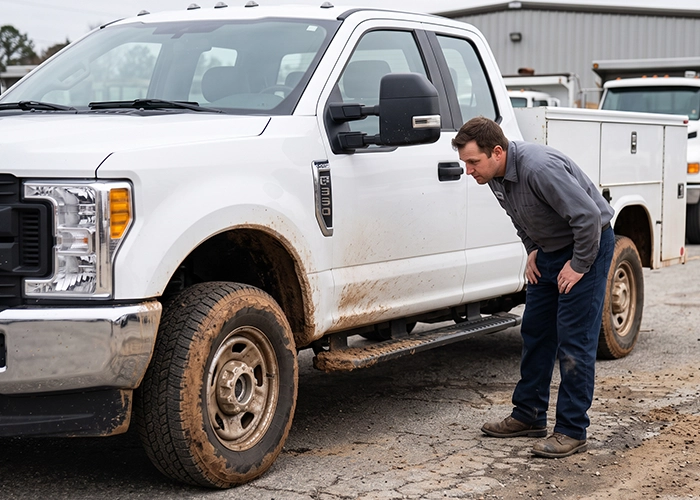
Construction and industrial fleets deal with dust, oil, soil, and job-site residue. Washing once a week can keep normal buildup under control, but a heavy project may call for extra cleaning. Large clumps of mud should not be allowed to remain around steps, lights, wheels, or identification markings.
Signs Your Fleet Needs a Shorter Wash Cycle
A calendar provides structure, but the vehicles themselves offer better clues. If trucks look dirty several days before the next scheduled service, the current cycle is too long. The schedule should fit real operating conditions rather than forcing every vehicle into the same routine.
Common signs that more frequent washing is needed include:
- Company logos and contact information are becoming hard to read.
- Road film returns within a few days of cleaning.
- Mud collects around wheels, steps, lights, or lower panels.
- Salt residue remains beneath vehicles after winter travel.
- Drivers report poor visibility through windows or mirrors.
- Bird droppings, insects, tree sap, or chemical spots are drying on paint.
- Inspections take longer because surfaces are covered in grime.
Fleet managers should also look for differences within the fleet. A sales vehicle used for local meetings may stay clean longer than a service truck that visits several job sites each day. Dividing vehicles into washing groups can control costs while giving each unit the care it needs.
Can a Fleet Be Washed Too Often?
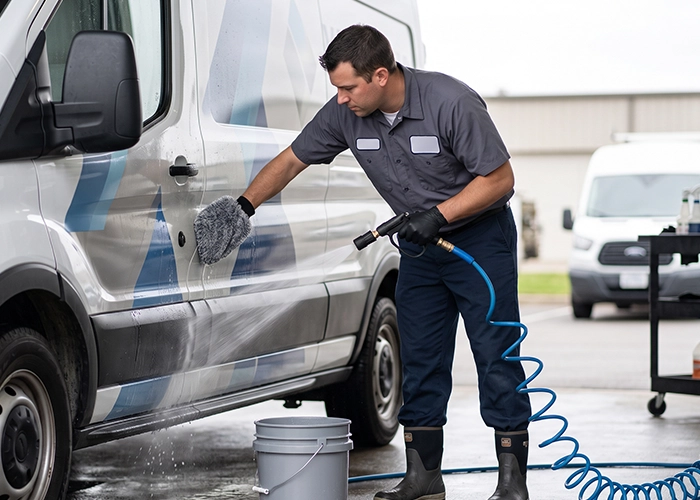 Frequent washing is not usually a problem when the correct process is used. Trouble tends to come from harsh chemicals, poor technique, excessive pressure, or repeated brushing with dirty tools. These mistakes can damage clear coats, decals, plastic trim, and sensitive components.
The wash method should match the surface and the type of buildup. Heavy equipment covered in mud may require a different process from a wrapped service van with light road film. Water pressure, chemical strength, temperature, and dwell time should all be chosen with care.
Drivers or in-house staff may be tempted to use one strong cleaner for every task. That approach can produce uneven results and damage finishes over time. A professional fleet washing company can select suitable products and adjust the method for paint, metal, glass, wheels, and graphics.
Regular service can actually make washing gentler. When grime is removed before it hardens, less aggressive cleaning is usually needed.
Why Consistency Matters More Than a Perfect Number
Many fleet managers spend time deciding whether vehicles should be washed every seven, ten, or fourteen days. The exact number matters less than having a reliable schedule. Sporadic cleaning allows buildup to become worse and makes it harder to plan labor, vehicle access, and costs.
A consistent program also makes results easier to measure. Managers can review how the vehicles look between washes, note seasonal changes, and adjust service intervals based on what they observe. This process creates a schedule that reflects the fleet’s actual needs.
Keeping simple records can help. Track the wash date, vehicle number, service performed, and any damage noticed during cleaning. Over time, those notes can reveal which routes, jobs, and seasons create the most buildup.
How to Build a Practical Fleet Washing Plan
 Start by grouping vehicles according to how they are used. High-mileage trucks, public-facing vans, job-site vehicles, and lightly used units should not always follow the same schedule. A tiered plan prevents unnecessary service while protecting the vehicles that face greater exposure.
Next, identify when the fleet is parked and available. Mobile washing may be performed at the company’s location during evenings, weekends, or planned downtime. This can reduce trips to an off-site wash and help keep drivers on their normal routes.
A useful plan should cover:
- Which vehicles will be cleaned each week
- Where and when washing will take place
- Which surfaces and areas are included
- Whether undercarriage, wheel, or trailer cleaning is needed
- How wastewater will be collected or directed
- Who will report damage found during service
Review the plan at least once each season. A biweekly summer schedule may need to become weekly during winter, pollen season, or a major construction project. Changes should be based on visible conditions rather than habit alone.
Give Your Fleet the Care It Needs
The best fleet washing frequency balances appearance, vehicle use, weather, and operating costs.
Weekly or biweekly washing suits many commercial fleets, while heavily exposed vehicles may need service more often and light-use units may only require monthly care.
A clean fleet makes a strong impression and helps keep your vehicles ready for the road. The right washing schedule can fit around your routes, vehicle types, and operating hours without slowing down your business. Contact Washh today to create a washing schedule that works for your operation.
Related Articles:
- 7 Reasons Why Commercial Patio Pressure Washing Is Important
- The Ideal Commercial Property Maintenance Checklist
- How To Keep HOA Common Areas Clean